
Understand Germany’s controversial €18.36 monthly broadcast fee. Learn who pays, why it exists, and how to handle the Rundfunkbeitrag as a Berlin newcomer.
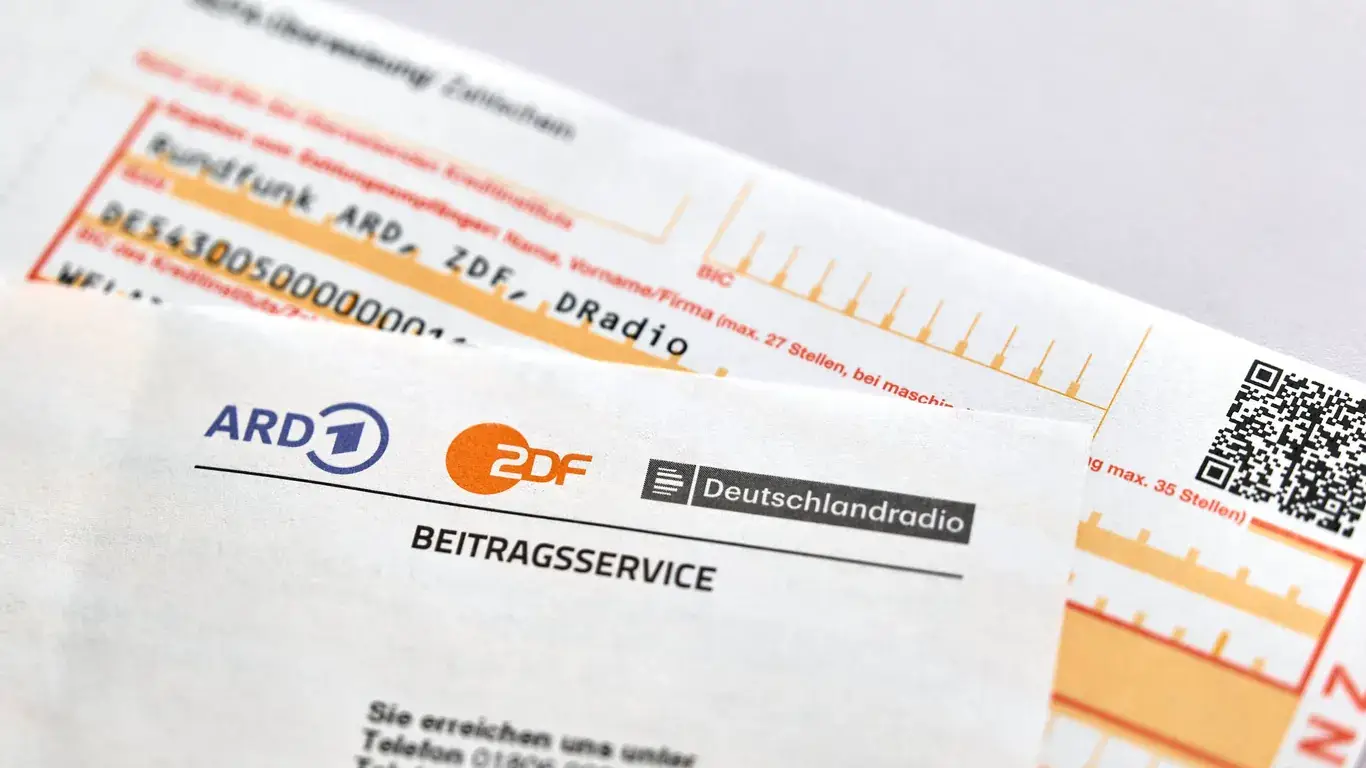
Three weeks after registering your Berlin address, you received a letter demanding €18.36 per month from ARD ZDF Deutschlandradio Beitragsservice. You own no TV, watch no German content, couldn’t name a single German program. None of that matters. According to German law, your ability to receive broadcasts makes you liable.
This is the Rundfunkbeitrag, Germany’s most hated yet inescapable media tax. You’ll pay it whether you like it or not.
1. What It Is
2. Why Germans Accept It
3. The Enforcement Reality
4. What Your Money Buys
5. How to Handle It
6. The Bottom Line
1. What It Is
Every German household pays €18.36 monthly to fund public broadcasting (ARD, ZDF, Deutschlandfunk). The fee replaced the old device-based system in 2013. Now everyone pays regardless of actual media consumption.
Most professionals carry inherited shame about self-promotion, usually disguised as humility or authenticity. This shame manifests in specific ways:
Who Pays
—Anyone with a registered German address.
—Businesses (based on employee count).
—Second homes and vacation properties.
Who's Exempt
Recipients of certain social benefits (Bürgergeld, housing assistance).
Severely disabled individuals with specific classifications.
Multiple residents at one address (one fee per household).
2. Why Germans Accept It
In a nutshell
The system reflects German values about collective responsibility. Public broadcasters theoretically remain independent from both government control and commercial pressure. Germans view this as democratic infrastructure —like roads or schools— that everyone funds for collective benefit.
Many Germans hate paying it but accept the cultural logic: Public media requires stable funding independent from profit motives.
3. The Enforcement Reality
Resist or not?
Resistance is expensive and futile. The Beitragsservice has extraordinary legal powers:
—Wage garnishment.
—Bank account freezing.
—Property seizure.
—Court proceedings.
German courts consistently uphold the system. Thousands have challenged the fee legally —almost all lose. The Federal Constitutional Court calls it constitutional and necessary.
4. What Your Money Buys
Breakdown
—Television: News, documentaries, cultural programming, sports on ARD and ZDF.
—Digital Services: Streaming platforms (ARD Mediathek, ZDF Mediathek), podcasts, apps.
—Radio: Multiple Deutschlandfunk stations with news, culture, classical music.
—Regional Content: Local programming varies by German state.
5. How to Handle It
How To
—Accept Reality: Budget €18.36 monthly. Fighting wastes time and money while guaranteeing eventual defeat.
—Set Up Auto-Pay: Use SEPA direct debit to avoid late fees and complications.
—Apply for Exemptions: If you qualify (social benefits, disability, refugee status), apply immediately with proper documentation.
—Shared Housing: One fee per address. Determine payment responsibility with housemates before conflicts arise.
—Use What You Pay For: Since payment is mandatory, explore the content. German learners often find valuable language resources.
6. The Bottom Line
Tension
The Rundfunkbeitrag embodies a fundamental tension: Individual choice versus collective benefit. Critics call it legalized extortion. Supporters call it democratic necessity. Both have valid points.
Conclusion
For newcomers, philosophical debates don’t change practical reality. You’ll receive the letter within weeks of registration. You’ll pay the fee or face escalating enforcement. The system isn’t going anywhere.
Set up automatic payments, explore the content you’re funding, and focus your energy on aspects of Berlin life you can actually control. Your €18.36 monthly contribution is mandatory, but your opinion about it remains free.
Author: Robin —Rogue intern, wannabe DJ, bitcoin hedonist and digital nomad. For the past 10 years, he has been swearing he’ll leave Berlin for an island in Southeast Asia.

John Doe
Share this post using: