
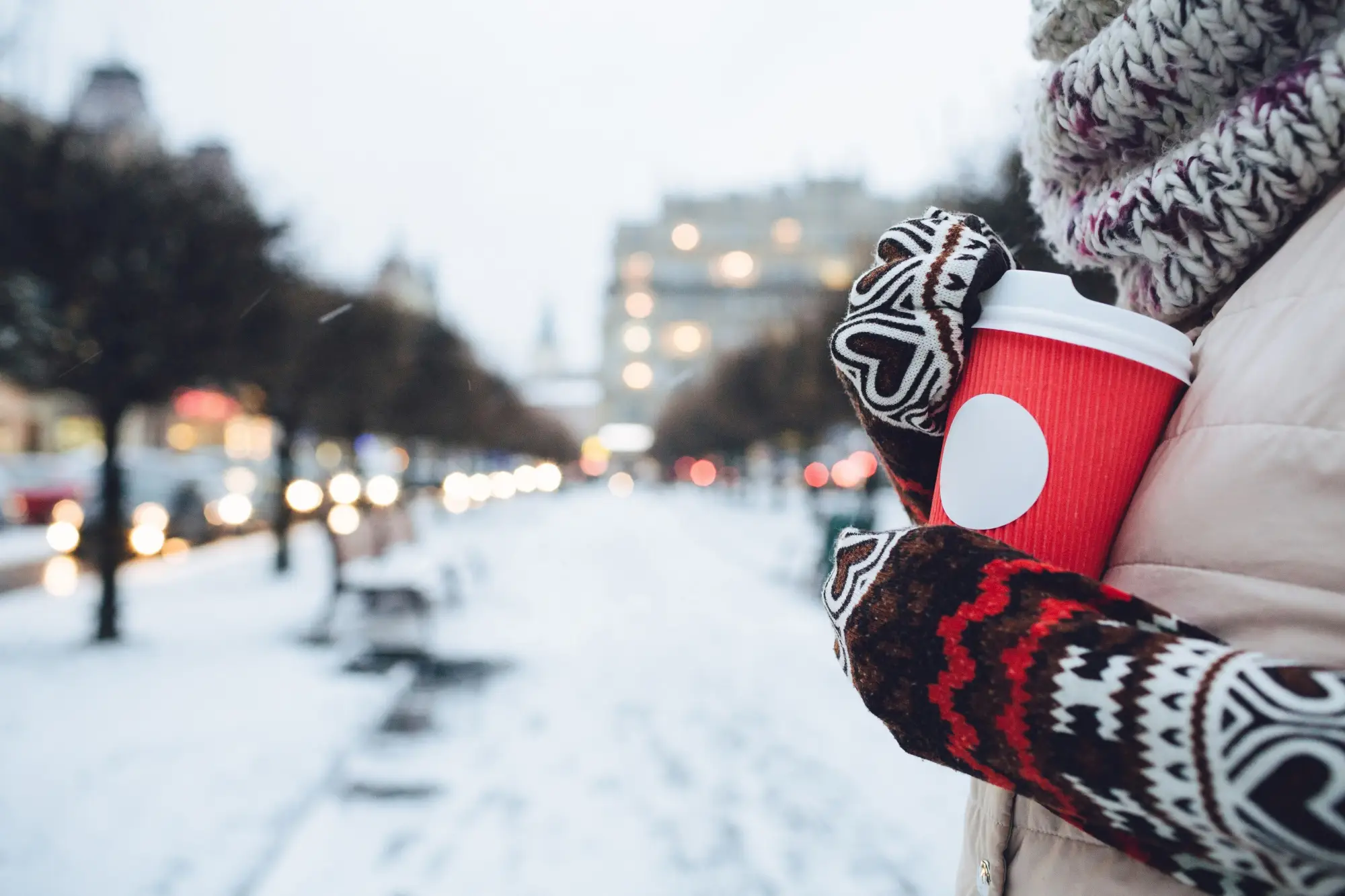
Berlin’s winter is cold and dark. Very dark. By December, the sun rises at 7:55 AM and sets at 3:56 PM, giving you 7 hours and 48 minutes of daylight (if you can call gray, overcast skies “daylight.”) Temperatures hover between -2°C and 4°C (28°F to 39°F), but humidity makes it feel colder. Most days, you commute to work in darkness and return home in darkness. The sun becomes theoretical.
This is why up to 30% of northern Europeans experience seasonal mood lows during winter, with Seasonal Affective Disorder (SAD) affecting roughly 1-10% of populations at higher latitudes. For expats from sunnier climates —India, Brazil, Mexico, Southeast Asia, the Middle East— Berlin’s winter can feel psychologically crushing. You did move to a new city and to a climate that fundamentally challenges your body’s circadian rhythms.
But Berlin winter is survivable. Locals have developed strategies over generations. Expats who understand what’s happening physically and psychologically can thrive rather than merely endure.
1. Berlin Winter Data
2. Understanding Seasonal Affective Disorder (SAD)
3. Light Therapy: The Primary Treatment
4. Maximize Natural Daylight Exposure
5. Physical Activity: Non-Negotiable
6. Nutrition Strategy
7. Fighting Isolation
8. Winter Clothing
Public Transportation in Winter
10. Cycling in Berlin Winter
11. Everyday Practical Tips
12. When to Seek Professional Help
13. What to Expect Month by Month
14. Why Berlin Winters Are Different
15. Long-Term Adaptation
1. Berlin Winter Data
Temperature
January averages 2.2°C (36°F) daytime, dropping to -1.9°C (28.6°F) at night. December and February range from 0.3°C to 4.1°C (32.5°F to 39.4°F).
Daylight hours
- December: 7 hours 48 minutes. (shortest day: December 21)
- January: Similar to December.
- February: Begins increasing toward 10-11 hours.
- Compare to summer: 16+ hours in June.
Sunshine hours (actual sun, not just daylight)
- December: 3.2 hours daily average.
- January: 2.2 hours daily average. (lowest of the year)
- This means on many winter days, you see no actual sunshine at all.
Humidity
December averages 88%, January 89%. Combined with cold, this creates bone-chilling dampness that makes temperatures feel lower than thermometers indicate.
Snowfall
January sees the most snow (44mm/1.73″), but snow cover rarely lasts more than 2-3 weeks. Berlin winters are gray, not white.
Weather pattern
Overcast skies dominate. Frequent drizzle. Wind from the north makes conditions feel harsher. Christmas and New Year are usually snowless despite what holiday films suggest.
2. Understanding Seasonal Affective Disorder (SAD)
SAD is not weakness or homesickness disguised as depression as some might think. It’s a physiological response to reduced light exposure that disrupts circadian rhythms, melatonin production, serotonin levels, and vitamin D synthesis.
Common SAD Symptoms
- Sleeping too much (hypersomnia) yet still feeling exhausted.
- Craving carbohydrates and sweets, leading to weight gain.
- Complete loss of motivation and energy.
- Social withdrawal and irritability.
- Difficulty concentrating.
- Persistent sadness without clear cause.
- Physical heaviness —moving feels harder.
circadian disruption
Your body’s 24-hour internal clock synchronizes to light-dark cycles. Berlin’s winter provides insufficient light signals, throwing off your biological rhythm. You feel tired when you should feel awake. You can’t sleep well despite exhaustion. Your appetite and mood regulation fail.
The vitamin D connection
Vitamin D synthesis requires UV-B light on skin. Winter clothing coverage plus lack of sun exposure creates deficiency, which research links to depressive symptoms. Taking vitamin D supplements helps, though studies show up to 2000 IU daily may be needed (higher than the typical 400 IU doses). Always consult a professional before taking supplements.
Duration
Symptoms typically begin in October/November and resolve naturally in March/April when daylight increases. For most people, SAD lasts approximately 90 days annually.
3. Light Therapy: The Primary Treatment
Light therapy (Lichttherapie) lamps emit 10,000 lux of bright light (filtering out harmful UV rays) to compensate for lack of natural sunlight. This is the most evidence-backed treatment for SAD, showing up to 67% effectiveness in clinical trials.
How to use light therapy
- Sit 40-60 centimeters from a 10,000 lux light box.
- Use for 20-30 minutes first thing in the morning.
- Light should enter your eyes indirectly. (don’t stare at the light)
- Position yourself so light reaches your face while you read, work, or eat breakfast.
- Begin treatment early fall (September/October) before symptoms start.
- Continue through March/April.
Expected results
Most people notice improvement within 1-2 weeks. Symptoms return if treatment stops before spring, so consistency matters more than intensity.
Where to get light therapy kits
Available at pharmacies (Apotheke) throughout Berlin, or online through Amazon or Saturn. Cost ranges from €50-200. Medical-grade boxes from established brands provide proper 10,000 lux output.
4. Maximize Natural Daylight Exposure
Berlin’s limited winter daylight makes strategic sun exposure crucial.
Morning routine
Get outside during the few daylight hours available. Even overcast daylight provides more lux than indoor lighting. A 20-30 minute morning walk provides light exposure while addressing physical activity needs.
Workspace positioning
Arrange your desk near windows. Natural light —even diffused through clouds— helps regulate circadian rhythm better than artificial lighting.
Lunch breaks outdoors
Use midday hours (11 AM-2 PM) for outdoor activity when sun angle is highest and light is strongest, even if skies are gray.
Weekend outdoor commitment
Plan weekend activities that force outdoor time: Walking tours, flea markets (yes, even in cold), outdoor Christmas markets, park visits, cycling. Outdoor exposure matters more than the activity itself.
5. Physical Activity: Non-Negotiable
Exercise improves mood through multiple mechanisms: Increasing serotonin, reducing stress hormones, improving sleep quality, and providing structure to days that feel amorphous in constant darkness.
Gym membership
Berlin gyms offer affordable options (€30-50 monthly). Indoor exercise becomes crucial when outdoor conditions are miserable.
Swimming pools
Berlin’s public pools (Schwimmhalle) provide warm, bright environments. Swimming combines exercise with light exposure and warmth.
Outdoor winter activities
- Ice skating (Eislaufen) at various Berlin rinks.
- Walking/hiking in Grunewald, Tempelhofer Feld or Tiergarten despite cold.
- Cycling. (with proper winter gear)
- Outdoor group fitness classes.
Social exercise
Join group activities: Running clubs, CrossFit boxes, climbing gyms, team sports. Social connection plus exercise creates double benefit against winter isolation.
6. Nutrition Strategy
SAD creates carbohydrate cravings and overeating tendencies. While some comfort food is normal, strategic nutrition helps manage symptoms.
Please keep in mind that the following information is for educational purposes only and is not a substitute for professional medical or nutritional advice. Individual responses to dietary changes can vary significantly. Please consult with a healthcare provider or registered dietitian to develop a personalized nutrition plan that is safe and effective for you.
Mood-supporting foods
- Nuts and seeds. (selenium-rich: Walnuts, brazil nuts, sunflower seeds)
- Fatty fish. (omega-3 fatty acids: Salmon, mackerel, herring)
- Whole grains. (complex carbohydrates for stable energy)
- Leafy greens. (folate, iron, magnesium)
- Eggs. (vitamin D, protein, choline)
Vitamin D supplementation
Most experts recommend 1000-2000 IU daily during winter months. Blood tests (Bluttests) can determine your specific needs. Available over-the-counter at German pharmacies.
Limit alcohol
Alcohol disrupts sleep quality, worsens mood regulation, and creates false warmth that masks need for proper layers. German winter drinking culture (Glühwein at Christmas markets) is enjoyable in moderation but problematic as coping mechanism.
7. Fighting Isolation
Berlin’s winter exacerbates social isolation. Cold weather makes leaving your apartment harder. Darkness makes spontaneous meetups unlikely. Many expats hibernate, which worsens mood significantly.
Structured social commitments
Join regular activities (language exchanges, book clubs, sports teams) that create accountability. You’ll attend even when unmotivated because others expect you.
Winter-specific events
- Christmas markets. (November-December)
- Museum long nights.
- Indoor concerts and performances.
- Winter festivals and cultural events.
- Heated beer gardens and winter cafés.
Coworking spaces
For remote workers, coworking prevents isolation. Human presence and routine combat winter’s tendency to blur days together. See our coworking guide for options.
Video calls home
Maintain connections with sunny places. Seeing friends and family from warmer climates reminds you winter is temporary and provides psychological support.
8. Winter Clothing
Berlin winter requires proper gear, not just heavier versions of autumn clothes. The combination of humidity, wind, and temperatures between -2°C and 4°C creates penetrating cold that cheap clothing can’t handle.
The Three-Layer System
—Base layer: Merino wool or cotton fabric that sits against skin. Invest in 2-3 base layer shirts for rotation.
—Insulating layer: Fleece, wool sweater, or down vest that traps warm air. This layer provides actual warmth.
—Outer layer: Waterproof, windproof jacket. Berlin’s winter rain and wind render non-waterproof coats useless. Look for jackets rated for wet conditions, not just cold.
Essential gear checklist
- Insulated, waterproof boots with good tread. (icy sidewalks are common)
- Warm hat that covers ears. (significant heat loss occurs through head)
- Insulated, waterproof gloves. (not fashion gloves but actual winter gloves)
- Scarf or neck warmer. (protects vulnerable neck area)
- Quality winter coat. (you’ll wear it 4-5 months annually, it’s worth the investment)
Footwear priority
Waterproof boots matter more than any other item. Wet feet in Berlin winter creates misery that ruins entire days. Winter boots with insulation and rubber soles prevent both cold and slipping.
9. Public Transportation in Winter
Berlin’s BVG (buses, trams, U-Bahn, S-Bahn) operates year-round, but winter weather creates predictable disruptions. It’s highly recommendable that you check your trip before going outside to avoid waiting in the cold.
Snow impact
Heavy snowfall causes bus delays and occasional cancellations. Buses run “unregelmäßig” (irregularly) across the city during snowfall. Recent reports show buses experiencing significant delays when snow accumulates, particularly affecting routes like M45, 187, and 142.
S-Bahn vulnerabilities
Above-ground S-Bahn lines face delays during heavy snow, ice, or when fallen trees block tracks. S1 and S85 lines have experienced cancellations during winter storms.
U-Bahn reliability
Underground trains remain most reliable during bad weather. U-Bahn lines rarely face weather-related disruptions, making them your best option during storms.
Winter commuting strategy
- Add 15-20 minutes buffer time to all journeys during snow or ice.
- Check BVG.de, the BVG app, or Google Maps for real-time disruption alerts before leaving.
- Underground lines (U-Bahn) are more reliable than above-ground options during bad weather.
- Use online tools for live updates and alternative route planning.
10. Cycling in Berlin Winter
Berlin remains a cycling city even in winter, but conditions require adaptation. Yes, locals cycle year-round. No, you don’t need special equipment beyond what you already own. Yes, it’s noticeably harder.
What changes
- Bike lanes aren’t always cleared of snow/ice as quickly as roads.
- Wet leaves plus frost create extremely slippery conditions.
- Darkness means you need excellent front/rear lights. (legally required)
- Cold hands become painful after a few minutes without proper gloves.
- Rental bikes and scooters disappear in bad weather or get covered in snow. Don’t rely on them as primary winter transport.
Winter cycling gear
- Waterproof gloves. (cycling-specific or ski gloves)
- Face covering or balaclava for sub-zero days.
- Bright/reflective clothing (visibility is crucial in dark commutes)
- Fenders (Schutzbleche) to prevent road spray soaking your clothes.
- Tire pressure slightly reduced for better traction.
11. Everyday Practical Tips
Slippery sidewalk safety
Berlin doesn’t add salt and grit to all sidewalks equally. Residential side streets can remain icy for days. Walk like a penguin (small steps, feet slightly apart, center of gravity forward) to avoid falls.
Grocery delivery advantage
Services like Gorillas, Flink, Picnic and Rewe become extremely valuable when going outside feels brutal. Stock up on essentials so you’re not forced out in worst conditions.
Home heating
German apartments use radiators controlled by thermostats numbered 1-5 (roughly 12°C to 28°C). Setting radiators to 3-3.5 (20-22°C) balances comfort and energy costs (heating bills increase significantly in winter).
Window ventilation
Despite cold, you must ventilate (Lüften) rooms 5-10 minutes daily by opening windows fully. This prevents mold from interior condensation. Turn heat off during ventilation, then back on afterward.
Humidity management
Heating dries indoor air. Dry air feels colder and causes skin/respiratory irritation. Small humidifiers or bowls of water near radiators help maintain comfortable humidity.
Drying clothes
Without dryers, clothes dry slowly indoors during winter. Hang laundry near radiators with windows slightly cracked to prevent mold. Expect 24-48 hours drying time.
Embrace Coziness Philosophy
Adopt Scandinavian coziness philosophy: Candles, warm beverages, comfortable textiles, soft lighting, books. Create environments that make indoor time pleasant rather than depressive. Berlin’s winter darkness makes cozy home spaces essential for mental health.
12. When to Seek Professional Help
Ranges
Seasonal affective disorder ranges from mild “winter blues” to severe clinical depression. Seek professional treatment if you experience:
—Suicidal thoughts or severe hopelessness.
—Inability to function at work or maintain relationships.
—Symptoms lasting beyond winter months.
—Worsening symptoms despite self-care efforts.
—Previous history of depression that intensifies in winter.
Finding help
English-speaking therapists exist throughout Berlin. Many practices offer both German statutory and private insurance billing. Search for English-speaking therapy on the Marketplace.
13. What to Expect Month by Month
Autumn to Spring
—September-October: Days shorten noticeably. Proactive measures (light therapy, vitamin D) prevent severe symptoms if started early.
—November: Mood begins declining. Darkness at 4:30 PM feels shocking. Social activities require intentional effort.
—December: Shortest days (7h 48min daylight). Christmas markets and holiday activities provide structure and social opportunities. Use these intentionally.
—January: Psychologically hardest month. Post-holiday letdown combines with coldest, darkest weather. Fewest sunshine hours (2.2 hours average). This month tests resolve most.
—February: Days lengthen noticeably. Light at 5:30 PM feels like victory. Temperature remains cold but psychological burden lifts slightly.
—March: Improvement accelerates. Spring emerges. Daylight reaches 11+ hours. Outdoor activities become pleasant again. SAD symptoms resolve naturally for most people.
—April-August: Full remission. This is why Berliners treasure summer so intensely—they’ve survived winter and know it returns.
14. Why Berlin Winters Are Different
The reason
Expats from equatorial regions experience Berlin winter as existential challenge. In India, daylight varies from 14 hours (summer) to 10 hours (winter) —a 4-hour difference. In Berlin, daylight varies from 16+ hours (summer) to 7.8 hours (winter)— an 8+ hour swing. Your body never evolved for this extreme variation.
Additionally, Berlin’s gray skies mean “daylight hours” often provide minimal actual sunshine. Overcast conditions deliver far fewer lux than sunny weather, so even the official daylight hours provide insufficient light for circadian regulation.
This explains why other cities with extreme latitude show lower SAD rates than expected. They have clear winter skies providing more actual sunlight despite short days. Berlin has long darkness plus cloud cover, creating worst-case scenario for light-dependent mood regulation.
15. Long-Term Adaptation
The issue
Most expats report winter difficulties diminish after 2-3 years. Your body adapts somewhat to seasonal extremes. You develop coping strategies. You know what works for your specific needs. Winter becomes manageable rather than devastating.
However, adaptation doesn’t mean winter becomes easy or pleasant. Long-term Berlin residents still experience winter fatigue and mood changes. They’ve simply learned to manage symptoms effectively.
Conclusion
Survival requires proactive strategies: Light therapy or maximizing natural light exposure, maintaining physical activity, strategic nutrition, social connection despite weather, and professional help when needed. These are essential components of mental health during Berlin’s darkest months.
The expats who thrive through Berlin winter are those who acknowledge the challenge, prepare adequately, and implement proven strategies consistently rather than waiting until January to realize they’re struggling.
Winter begins in October. Start preparing in September. By the time darkness dominates in December, your routines should already be established. Berlin winter is survivable if you take it seriously and act accordingly.
Author: Christian Dittmann —Graphic Designer, Writer, Musician, Entrepreneur, Expat in Berlin.

Share this post using: