
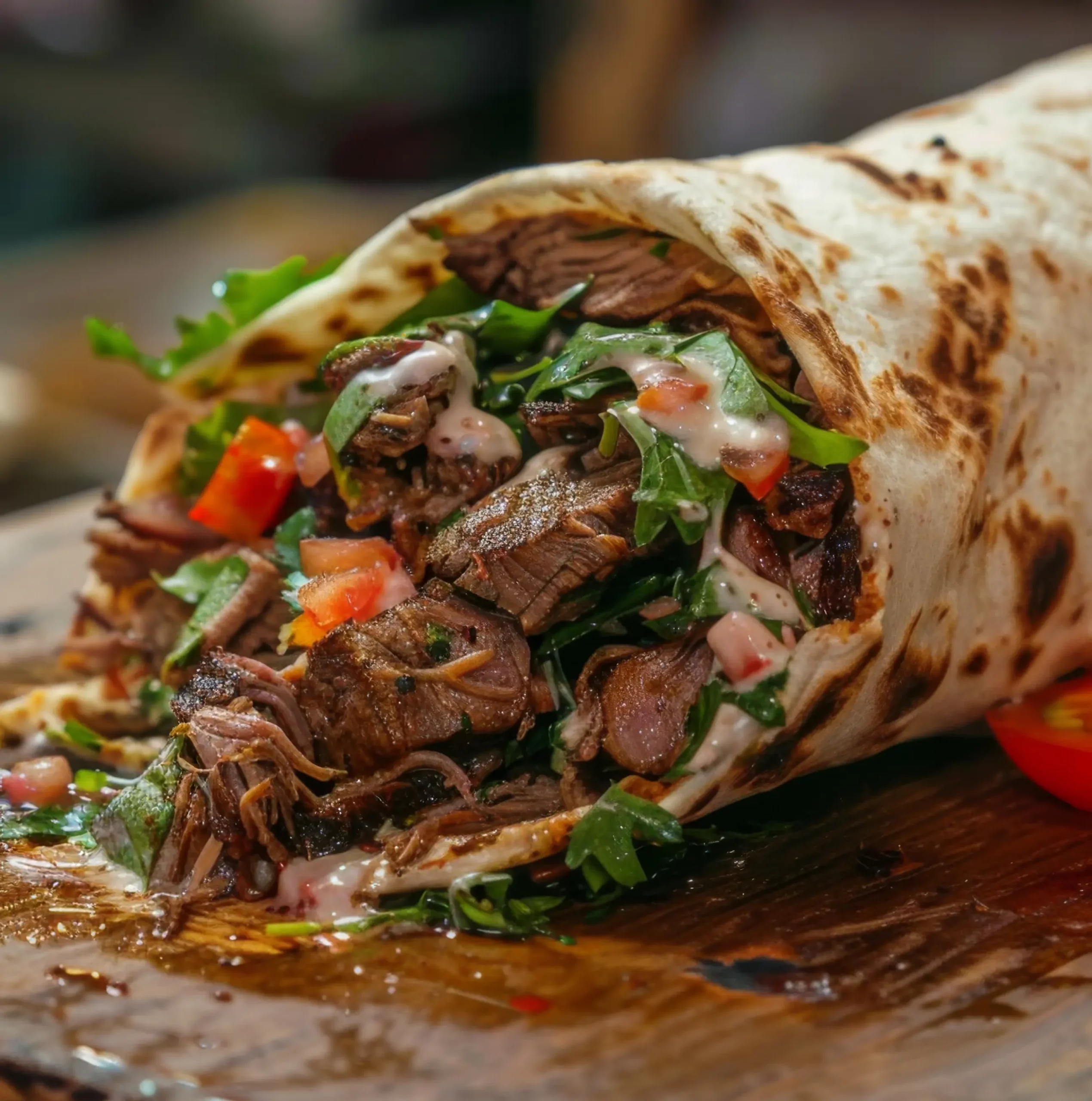
Berlin serves food and history, rebellion, and the occasional questionable decision at 4 AM. This is a city where every bite tells a story, whether it’s a Turkish immigrant perfecting his Döner recipe after the Wall fell or a Vietnamese family preserving flavors from a homeland they haven’t seen in decades. To eat in Berlin is to time-travel through its triumphs and tragedies, one steaming bowl of pho or crispy-fried Currywurst at a time.
The beauty of Berlin’s food scene lies in its contrasts. It’s a place where Michelin-starred chefs and street-food vendors somehow occupy the same universe, where a €6 snack can spark as much joy as a €30 entrée, and where the best meals often come from places that look like they might fail a health inspection. This is a guide to eating and a love letter to the city’s stubborn, glorious refusal to sell its soul.
1. The Döner Wars, or Berlin's Most Delicious Crisis
2. The Vietnamese Underground. Berlin's Culinary Resistance
3. Street Food vs. Sit-Down, or Berlin's Class Warfare
4. Markets. Where Berlin's Heart Beats
5. The Future: Will Berlin Stay Affordable?
1. The Döner Wars, or Berlin's Most Delicious Crisis
Oh, my Döner, we had such a perfect story, why is it that love is sometimes so fleeting.
The Golden Age of Cheap Kebabs (is gone)
Once, in a more innocent time, Berlin was a paradise of €3 kebabs. Those days are as extinct as East German currency, and the city’s residents mourn them with the same mix of nostalgia and outrage. The average Döner now clocks in between €7 and €9, with prices near Alexanderplatz or Friedrichstraße creeping toward €10, a figure so scandalous it has inspired everything from angry Reddit threads to impromptu letters to the editor.
But here’s the twist: Berlin’s Döner isn’t just surviving inflation, it’s —kind of— evolving. The kebab scene has fractured into distinct schools of thought. The purists, who swear by slow-roasted lamb at spots like Adana Grill in Kreuzberg, where the meat is shaved with the precision of a samurai sword. The reformers, who champion vegan Döner at Vöner in Friedrichshain, where seitan gets the same royal treatment as its meaty forebears. And the opportunists, who lurk outside clubs at sunrise, willing to pay €7 for a kebab they’ll won’t remember eating.
Mustafa's Gemüse Kebap. Berlin's Most Famous Queue
No discussion of Berlin Döner is complete without addressing the Mustafa’s phenomenon. Located at Mehringdamm (Kreuzberg), it survived a fire and was reborn just a few meters away. Yes, the Döner is good. No, it is not “stand in line for 90 minutes in the snow” good. The secret? They were among the first to stuff roasted vegetables into their kebabs. What started as a revelation in 2006 is now standard across the city. For similar quality without the wait, Rüya Döner in Charlottenburg offers a superior bread-to-meat ratio and none of the existential despair that comes with realizing you’ve wasted half your afternoon for a sandwich.
The Great Meat Debate: Chicken, Lamb, or Desperation?
Berliners take their Döner meat as seriously as their club door policies. Chicken (€6-€7) is the economical choice, tender and reliable, but lamb (€8-€9) is the connoisseur’s selection, rich and spiced with just enough fat to make you forget your rent increase. Beware the “mixed” option. This often translates to “whatever’s about to expire,” a culinary gamble not everyone is brave enough to take.
2. The Vietnamese Underground. Berlin's Culinary Resistance
How Pho Conquered the East (Berlin, That Is)
Few realize that Berlin hosts Europe’s largest Vietnamese community outside Paris, a legacy of Cold War-era labor agreements between East Germany and Hanoi. Today, their influence is everywhere, if you know where to look. Ðông Xuân Center in Lichtenberg is both a market and a living museum of Vietnamese resilience, where elderly women stir vats of pho broth (€9) that could heal both body and soul. The bánh mì here (€5.50) are stuffed into bread so crusty it threatens to rewrite your definition of a perfect sandwich.
Unassuming Spots Serving Michelin-Level Flavors
While fine-dining temples charge €150 for tasting menus, Berlin’s Vietnamese kitchens deliver equally transcendent experiences at refugee prices. Umami in Charlottenburg serves bún chả (€10) so good it would make Gordon Ramsay nod in approval. Monsieur Vuong in Mitte offers pho ga (€12) that cures both hangovers and existential dread. And District Một in Neukölln crafts pork belly bao (€7) so flawless you’ll forgive the inevitable Instagram crowd clogging the doorway.
The Bubble Tea Situation
Somewhere along the way, Berlin’s Vietnamese cafes became ground zero for bubble tea (€4-€6). Is it traditional? Not remotely. Does anyone care? Absolutely not. The tapioca pearls are chewy, the flavors range from classic milk tea to questionable “lychee explosion,” and the whole experience feels like drinking dessert, which, frankly, is all anyone really wants.
3. Street Food vs. Sit-Down, or Berlin's Class Warfare
In this city, your lunch budget doesn’t just buy food. Your euros buy a social class, a worldview, and possibly your dignity.
The €12 Rule: Berlin's Dining Caste System
Berlin operates on a strict culinary hierarchy. Under €8 buys you street food: Döner, currywurst, or decisions you’ll question by sunrise. Between €8-€12 lands you in the realm of immigrant cuisines: Vietnamese pho, Turkish lahmacun, or falafel so good it makes you briefly consider veganism. €12-€17 gets you actual restaurants, some even with chairs that don’t wobble. Anything above €17 means you’re either on a date or being gently scammed.
Street Food Hall of Fame
Curry 36 remains the undisputed king of currywurst, serving their iconic spicy-sweet sausage (€4) since before the Wall fell. Konnopke’s Imbiss, a literal hole-in-the-wall under the U-Bahn tracks, has been slinging Bockwurst (€4) since 1930 —longer than Germany’s last democracy lasted. And then there’s Thai Park, where Thai aunties cook pad thai (€6) on camping stoves with the casual confidence of people who know (or at least think) their food is better than anything in a 5-star hotel.
Sit-Down Survival Guide
For when you need actual cutlery, Cocolo Ramen in Kreuzberg serves tonkotsu ramen (€14) so rich it should come with a cardiologist’s warning. Katz Orange in Mitte offers pork belly (€28) slow-cooked to perfection in a courtyard that whispers “you should probably read more Goethe.” And Maroush in Kreuzberg delivers shawarma (€7) so sublime it might just make you question all your life choices up to this point.
4. Markets. Where Berlin's Heart Beats
Half bazaar, half block party, markets are where Berlin goes to eat relatively cheap treats and remember what sunshine feels like. Technically illegal, undeniably delicious, these street food miracles prove Berlin’s best meals come with a side of anarchy.
Turkish Market (Neuköllner Wochenmarkt)
This canal-side bazaar, open Tuesdays and Fridays, is where Berlin’s cultures collide over €5 falafel wraps and €7 baklava boxes so sweet they border on illegal. The air smells of cumin, fresh bread, and the faint hope that maybe, just maybe, you’ll finally learn to cook like the Turkish grandmothers who shop here.
Thai Park (Preußenpark)
Every weekend, Thai aunties transform a sleepy park into Berlin’s best illegal restaurant, serving €6 pad thai from folding tables and €5 mango sticky rice that sticks to your fingers like edible guilt. The constant threat of police shutdowns only adds to the thrill. To be honest, nothing tastes better than slightly forbidden fruit.
Boxhagener Platz Saturday Market
Equal parts flea market and foodie hangout, Boxi’s Saturday market is where Friedrichshain’s hungover masses crawl out for €3 espresso, €5 vegan curry, and the hope of finding that one organic sourdough that doesn’t taste like regret. Come for the food, stay for the people-watching. This is Berlin’s brunch soul on full display.
Winterfeldtplatz Market (Schöneberg)
On Saturdays, Winterfeldtplatz swaps weekday calm for a gourmet frenzy: €5 cheeses whisper your name while €6 truffle sausages scream it. It’s less “bargain bin” and more “treat yourself,” but if you’re going to drop €10 on sun-dried tomato tapenade, this is the spot. Plus, the crowd is 50% locals, 50% fashion week waiting to happen.
5. The Future: Will Berlin Stay Affordable?
At this rate, by 2035 we’ll be trading vintage vinyl for half a Dürüm. Welcome to Berlin’s gourmet craze.
The Menace of Dönerflation
Economists predict a grim timeline: By 2028, kebabs will hit €12; by 2030, Döner shops will start accepting Bitcoin; by 2032, Berliners will resort to hunting pigeons at Kottbuser Tor. The city’s soul hangs in the balance.
The Resistance
From pop-up eateries to communal kitchens, Berliners are fighting back. Because in a city where art and gentrification are locked in mortal combat, affordable food isn’t just sustenance. This is resistance.
The €17 Avocado Toast Apocalypse
It started quietly: A flat white here, a turmeric latte there. Now brunch is a luxury, and toast wears a price tag.
Berlin’s brunch scene, once an egalitarian carb fest, is now ground zero for lifestyle inflation. When eggs cost more than club entry, something’s gone horribly wrong. Are we too far gone, or can we still claw our way back with a €4 Butterbrezel and a dream? Read this article about how to live in Berlin on a budget.
Conclusion: Why Berlin Still Wins
In a world of expensive hipster traits, Berlin remains gloriously, stubbornly real. It’s a city where a €7 meal can taste like revolution, where the best restaurants look like garages or bunkers, and where every bite comes with a side of history. So eat while you can. The Berlin that feeds you today might be gone tomorrow, but the memories (and the kebab stains) will last forever. Glory to Berlin
Author: Robin —Rogue intern, wannabe DJ, bitcoin hedonist and digital nomad. For the past 10 years, he has been swearing he’ll leave Berlin for an island in Southeast Asia.

John Doe
Share this post using: