
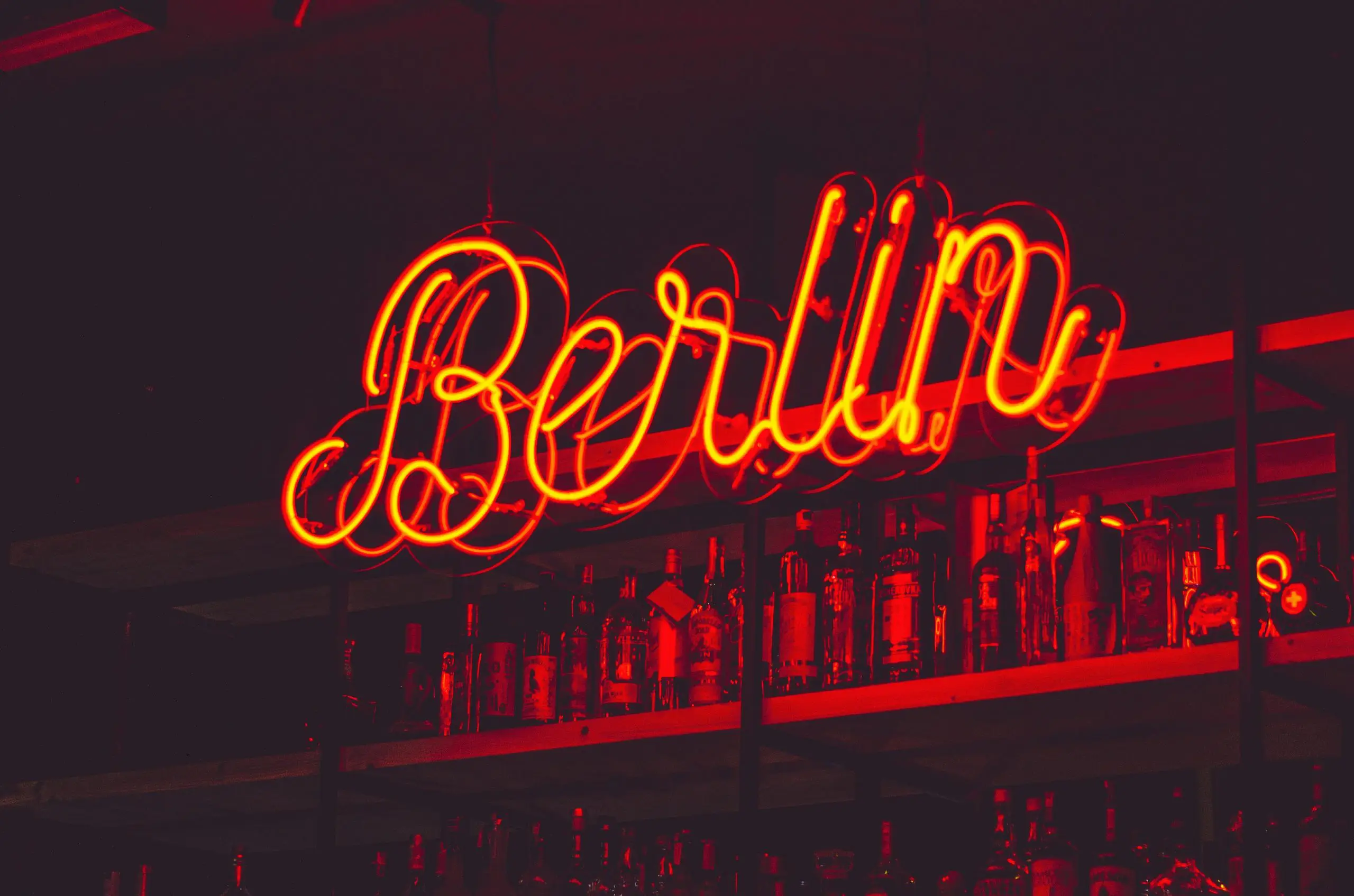
Berlin is a city that effortlessly blends history, culture, and modernity. Whether you’re drawn to its vibrant art scene, buzzing nightlife, or rich historical landmarks, transitioning from a tourist to a local in Berlin is an exciting journey. But how do you go from being a visitor to feeling like a true Berliner? In this guide, we’ll share insider tips on how to settle in Berlin like a pro, from finding the best neighborhoods to mastering the local lifestyle.
1. Choose the right neighborhood
2. Master the Public Transport System
3. Learn the Language (At Least the Basics)
4. Embrace Berlin’s Local Culture
5. Build Your Community in Berlin
6. Explore Berlin’s Hidden Gems
7. Navigate Berlin’s Bureaucracy Like a Pro
8. Dive into Berlin’s Unique Lifestyle
1. Choose the right neighborhood
Berlin is a city of neighborhoods, each with its own unique vibe. Picking the right area to live in is crucial for feeling at home. Here are some top picks:
Kreuzberg: The Heart of Alternative Culture
Kreuzberg is a haven for creatives and young professionals. Known for its street art, diverse food scene, and vibrant nightlife, this neighborhood is perfect for those who thrive in a dynamic, multicultural environment. From the iconic yet sometimes dirty and not as safe as it used to be Görlitzer Park, to the bustling Markthalle 9, Kreuzberg offers a mix of grit and charm that’s hard to resist.
Prenzlauer Berg: Family-Friendly Charm
If you’re looking for a quieter, more laid-back lifestyle, Prenzlauer Berg is the place to be. With its tree-lined streets, cozy cafes, and family-friendly parks like Mauerpark, this neighborhood is ideal for families and those seeking a slower pace. The area is also known for its beautifully restored Altbau (old buildings) and a strong sense of community.
Neukölln: Trendy and Multicultural
Neukölln has become a hotspot for expats, artists, and foodies. Not as clean as you would like it, but still buzzing with creativity. This neighborhood is home to a thriving international community. From the bustling Weserstraße to the serene Landwehrkanal, Neukölln offers a mix of urban energy and relaxed vibes.
Mitte: The Historic Center
If you want to be close to major attractions and enjoy upscale living, Mitte is the place to be. As the historic heart of Berlin, Mitte is home to landmarks like the Brandenburg Gate, Museum Island, and Alexanderplatz. While it’s one of the more expensive neighborhoods, it’s perfect for those who want to live in the center of it all.
*Pro Tip: Spend time exploring different neighborhoods before committing to one. Berlin’s public transport makes it easy to get around, so take advantage of it to find the area that feels like home. Also, discover Berlin’s big network of public parks, it’s worth doing it both in winter and in summer. And read our article about Berlin neighborhoods.
2. Master the Public Transport System
Berlin’s public transport system (BVG) is efficient, affordable, and well-connected. Here’s how to navigate it like a local:
Get a Monthly Travel Pass
Download the BVG App
Understand the Zones
Berlin’s public transport is divided into zones A, B, and C. Most of the city’s attractions are within zones A and B, but if you plan to visit areas like Potsdam or the Berlin Brandenburg Airport, you’ll need a ticket that includes zone C.
*Pro Tip: Biking is huge in Berlin. The city is incredibly bike-friendly, with dedicated lanes (yes, over 2,400 kilometers of designated bicycle paths and lanes) and bike-sharing programs like Call a Bike, Lime Bikes, Berlinobike, and Nextbike. You’d better invest in a good bike, save transportation expenses and explore the city on two wheels. I did this during my first 6 years in Berlin and believe me, nothing gives you a better understanding of Berlin than a bike. You will spend anything between 400€ and 4000€ in your ride (yes, you’ve read right), if it’s new, and can start from a humble 150€ for a second hand bike.
3. Learn the Language (At Least the Basics)
While many Berliners speak English, learning German will help you integrate faster and show respect for the local culture.
For Instance
Start with basic phrases like:
- Guten Tag (Good day)
- Tschüss (Goodbye)
- Danke (Thank you)
- Entschuldigung (Excuse me/Sorry)
Even a basic understanding of the language can make everyday interactions smoother, whether you’re ordering food, asking for directions, or chatting with neighbors.
*Pro Tip: Join language exchange meetups or take a German course at institutions like the Goethe-Institut, GLS, or Speakeasy. Apps like Duolingo and Babbel are also great for practicing on the go.
Find personalized German classes on the WelcomeBerlin Marketplace.
4. Embrace Berlin’s Local Culture
Berliners are known for their laid-back, open-minded attitude. To fit in, embrace these cultural nuances:
Be Punctual
Germans value timeliness, so always arrive on time or earlier for appointments. Whether it’s a meeting with your landlord or a dinner with friends, being punctual shows respect for others’ time.
Recycle Like a Pro
Enjoy Café Culture
Spend weekends at cozy cafes or beer gardens, a favorite pastime for locals. Berlin’s café culture is all about slowing down and enjoying the moment, whether you’re sipping a flat white or sharing a beer with friends.
*Pro Tip: Don’t jaywalk. Berliners respect traffic rules, even when the street is empty. Wait for the pedestrian signal to turn green. Especially when there are children around (help those parents lead by example). This is a small but important way to blend in.
5. Build Your Community in Berlin
Berlin is home to a thriving expat community, making it easy to connect with like-minded people. Here’s how to build your network:
Join Expat Groups
Attend Coworking Events
Spaces like Betahaus, Ahoy Berlin, CIC, Factory Berlin, Techspace, Impact Hub, and St. Oberholz host events where you can meet professionals and creatives. These spaces are perfect for networking, attending industry talks, joining workshops, and finding new opportunities in the city. Many also offer community memberships, giving you access to exclusive events, mentorship programs, and collaboration opportunities. Check also WelcomeBerlin’s curated list of Networking Events to learn the latest trends of the city and hang out with professionals.
Volunteer Locally
Participate in community activities to meet Berliners and give back to the city. Whether it’s helping at a local food bank or joining a neighborhood cleanup, volunteering is a great way to connect with others.
*Pro Tip: Follow local blogs and social media accounts to stay updated on events and happenings.
6. Explore Berlin’s Hidden Gems
While the Brandenburg Gate and Berlin Wall are must-sees, true locals know the hidden gems. Check out:
Tempelhofer Feld
Mauerpark
Teufelsberg
An abandoned spy station with stunning city views, Teufelsberg is a unique spot for history buffs and photographers. The graffiti-covered buildings and panoramic views make it a must-visit.
*Pro Tip: Avoid overpriced tourist restaurants and explore local eateries like Markthalle Neun for authentic flavors. This food hall in Kreuzberg is a paradise for foodies, offering everything from traditional German dishes to international cuisine.
7. Navigate Berlin’s Bureaucracy Like a Pro
Berlin’s bureaucracy can be daunting, but being prepared will save you time and stress. Here’s what you need:
Anmeldung (Address Registration)
Register your address at the Bürgeramt within two weeks of moving. This is a legal requirement and essential for tasks like opening a bank account or signing up for health insurance.
Health Insurance
Health insurance is mandatory for residents in Germany. You can choose between public providers like TK, AOK or HKK, or private insurers, depending on your needs and eligibility.
Open a Bank Account
A German bank account (Bankkonto) is essential for hassle-free transactions and receiving your salary. Many banks provide English-speaking services, simplifying the process for expats. Learn about bank accounts in Germany.
*Pro Tip: Book appointments online in advance, as slots fill up quickly. Check this guide about legal requirements for Berlin newcomers.
8. Dive into Berlin’s Unique Lifestyle
Legendary Nightlife
Art and Culture
Berlin’s creative energy is everywhere, from renowned institutions like the Berlinische Galerie and Hamburger Bahnhof to underground art collectives in Friedrichshain. Explore vernissages (openings), street art tours in Kreuzberg, and open studio nights. Annual highlights include Berlin Art Week, the Gallery Weekend, 48 Stunden Neukölln and the Transmediale festival, all celebrating the city’s dynamic art scene.
Seasonal Festivals
Experience Berlin through its vibrant festivals. Film lovers shouldn’t miss Berlinale, while Christmas markets like Gendarmenmarkt and Charlottenburg create a magical winter atmosphere. The Carnival of Cultures (Karneval der Kulturen) showcases the city’s diversity, and Fête de la Musique brings free live music to every corner. For enthusiasts of digital culture, technology, science, and society, re:publica. The Berlin Science Week offers cutting-edge discussions, while beer lovers can enjoy Berlin Beer Week and the Berlin Food Week.
*Pro Tip: Berliners cherish their Sundays. Spend yours unwinding in Tempelhofer Feld, browsing flea markets like Mauerpark, or enjoying a long brunch at a café in Neukölln. With most shops closed, it’s the perfect day to slow down and soak in the city’s relaxed vibe.
—The foundation of any successful transition is getting the practicalities right first. Read our complete first month guide to make sure nothing falls through the cracks.
Final Thoughts: Embrace Life in Berlin
Settling in Berlin like a pro is all about embracing the city’s unique rhythm and culture. By choosing the right neighborhood, mastering the transport system, and immersing yourself in local life, you’ll soon feel like a true Berliner. Remember, the key to success is staying curious, open-minded, and proactive.
Berlin is a city and a lifestyle. Welcome home.
Author: Robin —Rogue intern, wannabe DJ, bitcoin hedonist and digital nomad. For the past 10 years, he has been swearing he’ll leave Berlin for an island in Southeast Asia.

John Doe
Share this post using: