
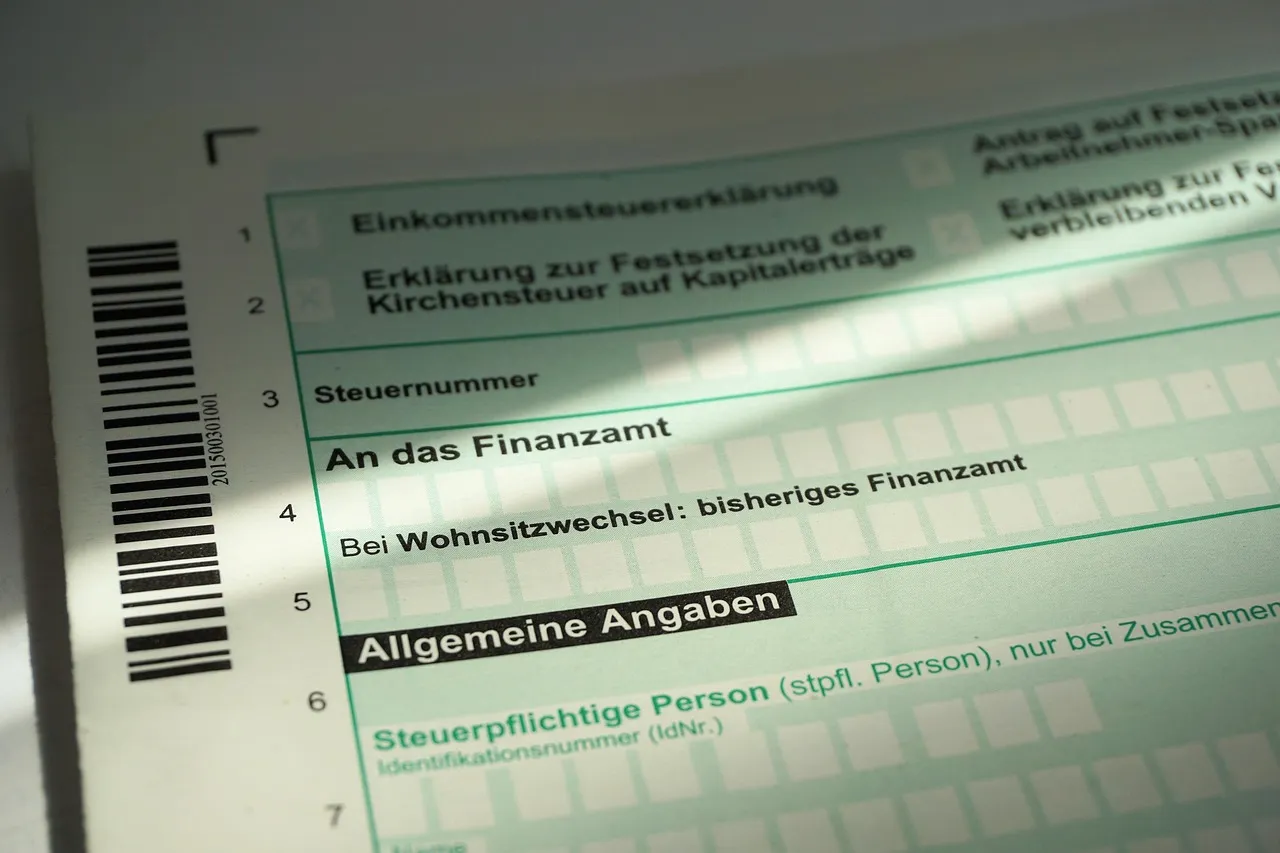
Article by Julian Thalmeir— Relocating to Germany as a professional brings exciting career opportunities, a rich cultural environment, and access to Europe at your doorstep.
However, these benefits also come with a sophisticated and often overwhelming tax landscape. Germany’s tax system is one of the most regulated in the world, featuring a progressive tax rate, extensive documentation requirements, and complex interaction with over 90 double taxation treaties (DTTs).
Navigating this system as an expat is no trivial task.
1. Navigating the German Tax Landscape as an Expat
2. Common Tax Traps for International Professionals
3. Seven Criteria to Select the Right Tax Advisor as an Expat in Germany
4. Case Study
5. Your Four-Step Guide to Finding the Right Tax Advisor
6. FAQs for Expats Filing Taxes in Germany
- Q1: Do I need to file if my employer withholds taxes in Germany?
- Q2: Can I deduct my relocation costs?
- Q3: How long must I keep tax records?
- Q4: What if I miss the filing deadline?
- Q5: I earn in multiple currencies. How should I report this?
- Q6: I’m self-employed and invoice clients in the U.S. and Australia. Do I need to charge VAT?
Why Investing in Expert Tax Advice Pays Off
1. Navigating the German Tax Landscape as an Expat
Introduction
International professionals face multilayered challenges such as income sourcing rules, residency determination, social security contributions, and treaty benefit claims.
Those who hold equity in foreign entities, work remotely for overseas companies, or derive passive income from other jurisdictions must pay particular attention to the nuances of German and international tax coordination.
In many cases, only a specialist tax advisor with a deep understanding of international tax law can help avoid costly missteps.
2. Common Tax Traps for International Professionals
Double Taxation
Without proactive planning or treaty-based structuring, professionals can face taxation in both their home country and Germany. This situation is particularly prevalent with income such as:
- U.S. stock options and RSUs (Restricted Stock Units), which are often taxed upon vesting.
- Rental income from property located in the UK or other countries.
- Dividends from shares held abroad that may not benefit from German withholding tax relief.
Understanding and applying the relevant DTT articles, such as Article 15 for employment income or Article 18 for pensions, is crucial to avoid over-taxation.
Incorrect Filing Obligations
It is a common misconception that individuals with German wage tax (Lohnsteuer) withholding are exempt from filing a tax return. In reality, expats with foreign income sources, capital gains, or crypto transactions are often obligated to file, especially if they wish to:
- Reclaim overpaid taxes.
- Apply tax treaty relief.
- Avoid late penalties for non-compliance.
Missed Allowances or Deductions
Without professional guidance, many international taxpayers overlook legitimate deductions and allowances, such as:
- Job-related relocation costs (Umzugskosten).
- Double household deductions (doppelte Haushaltsführung) if the taxpayer maintains a home abroad.
- Tax-free reimbursements from employers under certain relocation packages.
These opportunities are often missed unless specifically analyzed in the context of cross-border situations.
3. Seven Criteria to Select the Right Tax Advisor as an Expat in Germany
Choosing the right tax advisor is essential. Here are the top seven criteria to evaluate:
Table
| Criterion | What to Look For |
|---|---|
| Relevant Credentials | A licensed Steuerberater with additional qualification as Fachberater für Internationales Steuerrecht. |
| Cross-Border Experience | Demonstrated experience with expats, globally mobile employees, freelancers, and international investors. |
| Language Proficiency | Fluent English communication (or even native-level support) is essential for clear and accurate advisory. |
| Digital Workflows | Utilization of secure client portals, video consultations, digital document exchange, and e-signatures for seamless remote collaboration. |
| Holistic Service Scope | The advisor should cover personal income tax, VAT, social security coordination, relocation planning, and audit assistance. |
| Proactive Finanzamt Liaison | A tax advisor who directly represents you before the German tax office via a Vollmacht (power of attorney). |
| Transparent Pricing | Written mandates, fee schedules, and ideally flat fees to avoid uncertainty. |
4. Case Study
Treaty Benefits Done Right
A U.S. citizen and international marketing manager relocated from San Francisco to Berlin while holding unvested RSUs from a U.S.-based tech company. Upon vesting, these RSUs triggered a tax liability under U.S. law and also fell under German tax jurisdiction due to her new residency.
Without proper structuring, she would have paid tax in both countries with little chance of offsetting one liability against the other. Working with a specialist tax advisor, the following measures were taken:
- Application of Article 15 (2) of the Germany–U.S. Double Taxation Agreement.
- Accurate timing of residency switch under German domestic law.
- Supporting documentation and proactive engagement with the Finanzamt.
The outcome? Her combined tax burden was reduced by over 60%, and the process ensured full compliance in both jurisdictions.
This example underlines the importance of advisors who understand both treaty nuances and practical enforcement.
5. Your Four-Step Guide to Finding the Right Tax Advisor
Finding the right support doesn’t have to be overwhelming. Here is a simple, effective strategy:
Step 1: Shortlist Candidates (15 min)
Start with directories such as the Steuerberaterkammer, and check LinkedIn and Google reviews for signs of international experience.
Step 2: Verify Credentials (10 min)
Ensure they hold a valid Steuerberater license and ideally the Fachberater für Internationales Steuerrecht designation. If they also publish articles or provide webinars for expats, that’s a bonus.
Step 3: Discovery Call (30 min)
Ask tailored questions like:
—”How do you handle dividends received from the UK?”
—”What documentation is needed to deduct moving costs from Canada to Germany?”
—”How do you ensure treaty relief for U.S.-based RSUs?”
Step 4: Request a Written Mandate
Never proceed without a signed agreement that clearly outlines:
- Services to be provided.
- Fee transparency,
- Power of Attorney for the German Tax Office.
6. FAQs for Expats Filing Taxes in Germany
Frequently asked questions:
Q1: Do I need to file if my employer withholds taxes in Germany?
Yes —especially if you have income from abroad, crypto gains, rental income, or if you are eligible for deductions. Filing also allows application of DTT benefits.
Q2: Can I deduct my relocation costs?
Q3: How long must I keep tax records?
Q4: What if I miss the filing deadline?
Q5: I earn in multiple currencies. How should I report this?
Q6: I’m self-employed and invoice clients in the U.S. and Australia. Do I need to charge VAT?
7. Why Investing in Expert Tax Advice Pays Off
Why?
Germany’s detailed and rule-based tax system rewards those who plan carefully and apply treaty relief proactively. The tax authorities (Finanzämter) expect consistency and clarity in filings —especially when foreign income is involved.
Investing in a tax advisor with cross-border expertise leads to:
- Reduced overall tax burden through strategic treaty application.
- Peace of mind by ensuring full legal compliance.
- Protection against future audits through robust documentation.
- Streamlined relocation experience with proper upfront structuring.
Ultimately, your tax advisor should be more than a form-filler. They should act as a partner in your international financial strategy. Before you register your business, read our insights on starting a company in Berlin to avoid costly mistakes.
Author: Julian Thalmeir —German Tax Advisor & Certified Specialist in International Tax Law. Find him on the WelcomeBerlin Marketplace.

Julian Thalmeir
Julian Thalmeir is a licensed German Tax Advisor (Steuerberater) and Certified Specialist in International Tax Law (Fachberater für Internationales Steuerrecht). He works exclusively with expats, remote professionals, and globally mobile individuals to help them navigate German tax complexities with clarity and confidence. With a reputation for strategic thinking and practical execution, he bridges the gap between compliance and opportunity in international taxation.
Share this post using: