
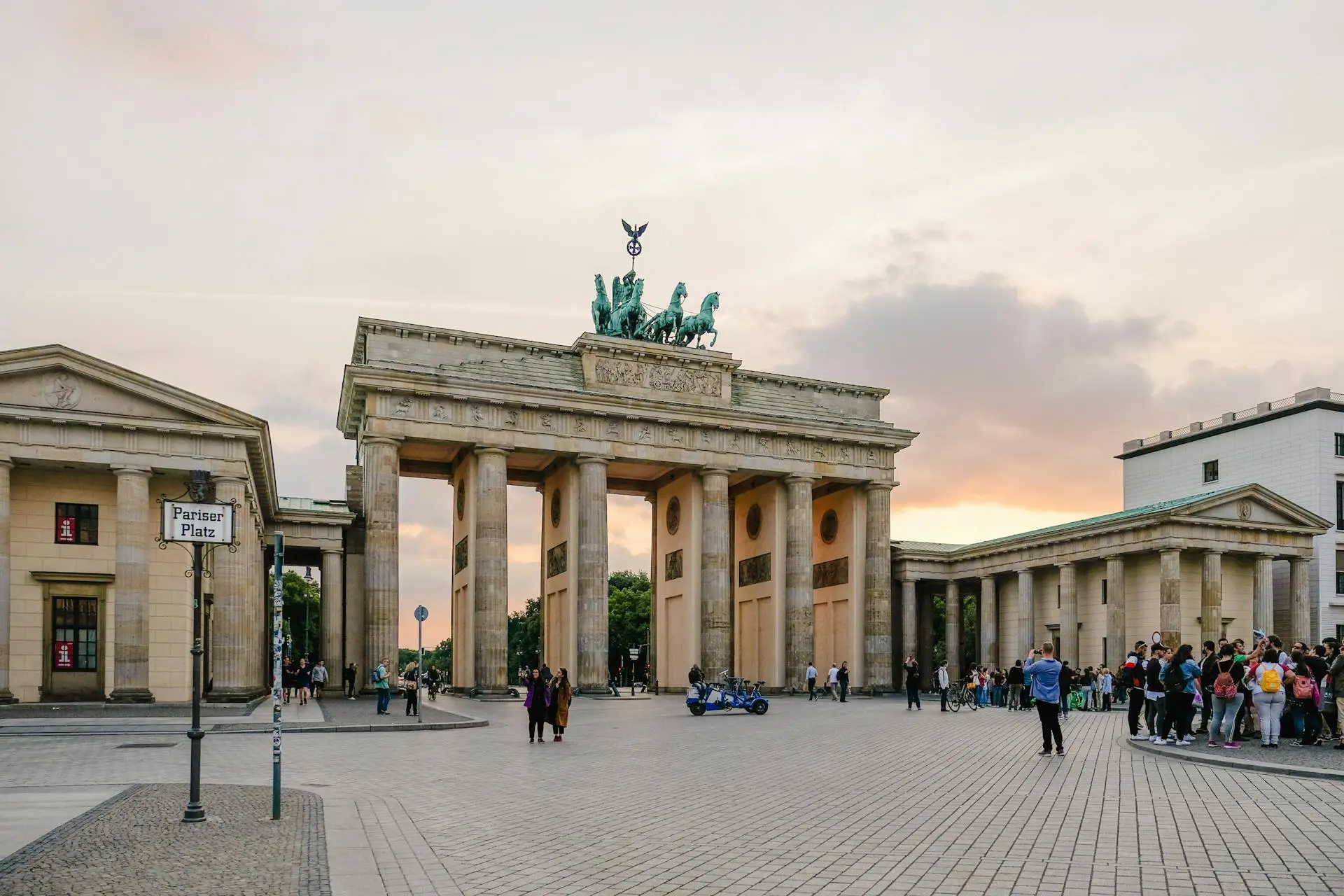
This city doesn’t seduce you like Prague or overwhelm you like New York. Berlin reveals itself slowly, like a Cortázar story where you think you understand the plot until page 50.
One day you’re complaining about bureaucracy, the next you’re defending the recycling system to visiting friends. It’s a place where startup founders wear hoodies to board meetings and techno DJs hold philosophy degrees.
But let me be clear: Moving here isn’t just about chasing some European dream. It requires preparation, patience, and a willingness to embrace systems that make perfect sense once you understand them. Here’s everything I wish someone had told me before I made the leap.
Moving to Berlin. Complete Guide for Expats
- 1. Why Move to Berlin? Opportunities for Expats and Newcomers
- 2. Things to Know Before Moving to Berlin in 2025
- 3. How to Move to Berlin from Abroad. Step-by-Step Relocation Guide
- 4. Cost of Living in Berlin: Living Expenses and Budget Tips
- 5. Best Neighborhoods in Berlin for Expats and Where to Live
- 6. Registration in Berlin (Anmeldung): How to Get Your Address Registered
- 7. Berlin U-Bahn and Transport Passes: How to Get Around the City
- 8. Berlin for Expats: Building a Life and Starting a Business
1. Why Move to Berlin? Opportunities for Expats and Newcomers
Berlin’s job market in 2026 feels early enough to matter, established enough to pay rent. The tech scene isn’t just startups anymore. Companies like N26, HelloFresh, and Zalando have matured into proper employers offering competitive salaries and actual work-life balance. Unlike Silicon Valley, you won’t mortgage your soul for a one-bedroom apartment.
The freelance visa (Freiberufler) remains one of Europe’s most accessible paths to residency. Writers, designers, developers, and consultants can apply directly without job offers. I know photographers earning €60K annually and digital marketers pulling €80K+.
The key is demonstrating sustainable income —have three months of contracts lined up before applying. For EU citizens, it’s even simpler. Pack up and arrive. The EU Blue Card fast-tracks skilled non-EU professionals with job offers paying €58,400+ annually (€45,552 for shortage occupations). Tech roles qualify easily. Check here the different types of visa for Germany.
But Berlin’s appeal transcends career opportunities. This city operates on a different frequency. Museums stay open late, parks allow drinking, and Sunday brunches stretch until Tuesday. Cultural events happen nightly —film screenings, art openings, underground concerts in abandoned buildings that somehow have perfect acoustics.
The quality of life calculation is simple: earn 20% less, live 40% better. Your commute involves reading books on efficient public transport, not sitting in traffic. Healthcare works without bankrupting you. Five weeks paid vacation is standard, not generous.
2. Things to Know Before Moving to Berlin in 2025
Germans have elevated rule-following to an art form. Recycling isn’t suggestion, it’s social contract. Learn the difference between Gelber Sack (plastic/metal), Papiermüll (paper), and Biomüll (organic waste). Your neighbors will notice mistakes and inform you. Politely.
Sunday shopping laws remain strict. Everything closes except restaurants and essential services. Stock up Saturday or resign yourself to overpriced corner store snacks. This took me three hungry Sundays to internalize.
Cash culture persists despite Berlin’s tech reputation. Many restaurants, bars, and small shops only accept cash. Always carry €50-100 in bills. Cards work at major retailers and most modern establishments, but don’t assume.
German language reality check
You can survive on English in tech, hospitality, and international companies. But bureaucracy happens in German. Doctors often prefer German. Landlords trust German speakers more. Start learning immediately —not just “Guten Tag” tourist phrases, but real vocabulary. Appsl or in-person classes at Volkshochschule (community college) cost €200-300 for semester-long courses.
—Essential survival phrases: “Entschuldigung” (excuse me), “Sprechen Sie Englisch?” (do you speak English?), “Ich verstehe nicht” (I don’t understand), “Die Rechnung, bitte” (the check, please).
—Weather wisdom: Berlin winters are gray medicine. December through February brings three hours of weak sunlight daily. Invest in good lighting for your apartment and vitamin D supplements (always consult a professional before taking supplements). But summers compensate magnificently —long days, perfect temperatures, and beer gardens that restore faith in human civilization.
3. How to Move to Berlin from Abroad. Step-by-Step Relocation Guide
Timeline: Start planning 3-4 months before departure.
Step 1: Visa/Legal Status (8-12 weeks before)
—EU citizens: Just arrive.
—Non-EU with job offers: Apply for work visa or EU Blue Card at German consulate.
—Freelancers: Gather portfolio, client contracts, financial statements for Freiberufler visa.
—Students: Acceptance letter from German university required.
Step 2: Temporary Housing (6-8 weeks before)
Book short-term accommodation for your first month. Airbnb, corporate housing, or hostels work. Don’t commit to long-term rentals sight unseen —Berlin’s rental market requires in-person viewings and instant decisions.
Step 3: Shipping Strategy
DHL and Eurosender offer door-to-door services for bulky items (books, electronics, winter clothes). Costs €300-800 depending on volume, but beats airline overweight fees. Ship 2-3 weeks before arrival.
For suitcases: Pack one month of essentials. Everything else is available locally or can be shipped later.
Step 4: Financial Setup
Open a German bank account within the first week. Bring passport, visa/residence permit, and Anmeldung (registration certificate). Deutsche Bank, Commerzbank, and digital banks like N26 and bunq serve English speakers well and have less strict requirements.
Step 5: Phone Plan
Prepaid SIMs from Vodafone, Telekom, Lebara or O2 work immediately. Monthly contracts require Anmeldung and SCHUFA (credit check). Expect €20-40 monthly for decent data plans.
Pro tip
Don’t overpack. German washing machines are tiny, and you’ll want different clothes once you see how Berliners dress. Ship winter coats and boots —everything else can wait. You can also rent home appliances instead of buying them.
4. Cost of Living in Berlin: Living Expenses and Budget Tips
Housing check
—Studio apartment: €700-1,200 (central areas like Mitte, Prenzlauer Berg)
—One-bedroom: €800-1,600 (varies dramatically by neighborhood)
—Two-bedroom: €1,300-2,400 (family-friendly areas command premiums)
—Shared flat (WG): €400-800 per room
—Add €200-300 monthly for utilities (Nebenkosten) including heating, water, garbage, and building maintenance. Internet costs €30-50 monthly for decent speeds.
Sample Monthly Budget for Single Professional
- Rent + utilities: €1,200
- Health insurance: €180-250 (mandatory for everyone)
- Groceries: €400-500
- Transport pass: €113 (BVG monthly) or €63 (Deutschlandticket)
- Phone: €30
- Dining out/entertainment: €400-600
- Miscellaneous: €200
Total: €2,400-2,900 monthly
—Turkish and Middle Eastern markets: They offer fresh produce at 30-40% below supermarket prices
—Discount grocery chains: Lidl, Aldi, Netto for basics
—Happy hours: Many bars offer €3-4 beers before 8 PM
—Museum passes: €25 three-day passes cover 60+ institutions
—City bikes: €1 per 30 minutes beats taxi costs
Income expectations: Entry-level tech roles start at €45-55K, experienced developers earn €70-90K, senior positions reach €100K+. Freelance rates vary wildly —€400-800 daily for specialized skills. Learn how to live in Berlin on a budget.
5. Best Neighborhoods in Berlin for Expats and Where to Live
—Kreuzberg (Especially SO36 and Bergmannkiez)
The artistic heart that hasn’t been completely gentrified —yet. Turkish-German culture, excellent kebabs, and bars that don’t close. Perfect for creative professionals and people who consider 2 AM an early dinner. Rent: €12-16/sqm.
Best for: Artists, writers, nightlife enthusiasts, people under 35.
Avoid if: You need quiet weekends or have small children.
—Prenzlauer Berg
Former East Berlin neighborhood that became the Brooklyn of Berlin —family-friendly with excellent cafés and organic everything. Young professionals with babies flock here. Rent: €14-18/sqm.
Best for: Families, professionals seeking work-life balance.
Watch out: Can feel sanitized compared to grittier areas.
—Charlottenburg
Old West Berlin elegance with wide streets and established infrastructure. Less trendy but more reliable —perfect for corporate types who want efficiency over edge. Rent: €13-17/sqm.
Best for: Business professionals, families wanting stability.
Consider: Nightlife options are limited.
—Neukölln (Northern parts)
The current frontier of gentrification. Affordable(ish) rents attract young professionals, students, and artists. Diverse food scene and emerging cultural venues. Rent: €10-14/sqm.
Best for: Budget-conscious creatives, students, people who like discovering new places.
Note: Quality varies dramatically by specific street.
—Mitte (Specific sub-areas)
Geographic center with tourist attractions and corporate headquarters. Convenient but expensive and crowded. Rent: €16-22/sqm.
Best for: People who prioritize location over space/character.
Reality check: You’ll pay premium for convenience.
—Friedrichshain
Tech hub with startup offices and decent nightlife. More affordable than Kreuzberg but losing its edge rapidly. Rent: €11-15/sqm.
Best for: Tech workers, people wanting central location without Mitte prices.
Check this article about how to choose your Berlin neighborhood based on your lifestyle.
6. Registration in Berlin (Anmeldung): How to Get Your Address Registered
Anmeldung is mandatory within 14 days of moving —this isn’t a suggestion, it’s law. Without it, you can’t open bank accounts or get phone contracts. It is also essential to finalize your registration with a public health insurer (Krankenkasse), a process you must start as soon as you have a job offer.
Required documents
—Passport or EU ID card.
—Wohnungsgeberbestätigung (landlord confirmation) – your landlord must provide this.
—Rental contract or subletting agreement.
—Birth certificate. (if first registration in Germany)
Booking appointments: Use Berlin.de online system. New appointments release at midnight daily. Check this guide for detailed information on how to do it.
Alternative strategy: Visit Bürgeramt locations in outer districts (Spandau, Marzahn) which have better availability than central offices.
Appointment process: Arrive 15 minutes early with all documents. The clerk reviews everything, asks basic questions (address, profession), and prints your Meldebestätigung (registration certificate). Takes 10-15 minutes if documents are complete.
Common problems and solutions
Landlord won’t provide Wohnungsgeberbestätigung: This is their legal obligation. Insist politely or find different housing.
Missing appointments: Reschedule immediately online. Don’t just show up without appointments.
Document translations: Official translations required for non-German documents. Find help with translation on the Marketplace.
Pro tip: Bring extra passport photos —you’ll need them for various applications later.
7. Berlin U-Bahn and Transport Passes: How to Get Around the City
Deutschlandticket vs. BVG Monthly Pass:
- Deutschlandticket: €63 monthly, covers ALL public transport nationwide
- BVG Monthly Pass: €113, Berlin only but includes local trains.
For most expats, Deutschlandticket wins unless you never leave Berlin. Weekend trips to Hamburg, Munich, or Prague become incredibly cheap.
Essential transport apps:
BVG: Official Berlin transport app with real-time departures.
DB Navigator: Deutsche Bahn app for longer distances.
Citymapper: Best route planning with multiple options.
Jelbi: Integrated app covering public transport, bike-sharing, e-scooters.
—U-Bahn wisdom: Trains run every 2-4 minutes during peak hours, every 10 minutes evenings and weekends. Friday/Saturday nights, U-Bahn operates continuously. Always validate tickets —inspectors fine €60 for invalid tickets.
—Cycling infrastructure: Berlin has 1,000+ kilometers of bike lanes with varying quality. Nextbike and Call a Bike offer rental options. Many expats buy used bikes from Facebook Marketplace or eBay Kleinanzeigen for €100-300. Learn more about the Berlin transport system.
Car-sharing options:
Miles: Per-minute pricing, good for short trips.
Free2Move: BMW/Mercedes vehicles, airport access.
SIXT Share: Premium cars, longer rentals.
Airport connections: Brandenburg Airport (BER) connects via RE and S-Bahn trains —45 minutes to city center, covered by standard transport passes (Zone AB+C).
8. Berlin for Expats: Building a Life and Starting a Business
Networking opportunities that actually work:
—Berlin Startup Jobs Facebook Group: 40K+ members, job postings, networking events.
—Expats in Berlin: Social meetups, practical advice sharing.
—Tech Open Air: Annual conference bringing together startups, investors, freelancers.
—Rocket Internet events: Regular meetups for digital entrepreneurs.
—Co-working spaces: Rocket Internet Campus, Mindspace, WeWork host networking events.
Freelance bureaucracy reality:
—Getting Steuernummer (tax ID) requires Anmeldung and takes 2-4 weeks. Visit local Finanzamt with registration certificate and business plan outline. They’ll assign you a tax number and explain quarterly payment schedules.
—Hire a Steuerberater (tax advisor) immediately—costs €100-300 monthly but saves hours of bureaucratic confusion. They handle VAT registration, quarterly payments, and annual tax returns.
—Ask other expats for recommendations.
Business registration:
Most freelance work only requires Steuernummer. Gewerbeschein (trade license) needed for certain business types —costs €20-65 depending on activity.
Banking for freelancers:
N26 Business, bunq, Deutsche Bank, or Commerzbank offer business accounts. Expect monthly fees €5-15 plus transaction costs.
Why Berlin’s startup scene justifies the paperwork: The city offers something unique —access to EU markets, reasonable costs, international talent pool, and government support for entrepreneurs. GTEC (German Tech Entrepreneurship Center) provides mentorship and funding connections. Berlin Startup Grant offers up to €50K for innovative projects.
The bureaucracy feels overwhelming initially, but it creates stability. Unlike other startup hubs, Berlin doesn’t experience boom-bust cycles. Companies grow steadily, employees get proper contracts, and the ecosystem supports sustainable growth rather than unicorn chasing.
—For the step-by-step practical checklist of your first month, read our complete first month in Berlin guide.
—Already frustrated by your move? See our Berlin relocation overview for the checklist you need to act fast.
Final thoughts
Berlin rewards patience and punishes impatience. The city doesn’t reveal itself quickly, and the administrative systems require careful attention. But once you understand the rhythms —when to book appointments, where to find good apartments, how to navigate winter darkness— Berlin becomes a city that supports the life you actually want to live, not just the career you think you should have.
This is a city where techno DJs hold philosophy degrees and startup founders take month-long vacations. Where efficiency and creativity coexist without contradiction. Where you can build something meaningful without sacrificing everything else that makes life worth living.
The U-Bahn doors are closing. Time to get started.
Author: Christian Dittmann —Graphic Designer, Writer, Musician, Entrepreneur, Expat in Berlin.

Share this post using: