
2. First 3 Things to Do When You Land
3. Anmeldung: The Bureaucratic Baptism
4. Finding Temporary Housing That Actually Works
5. First Week Logistics: Getting Functional
6. Getting to know Berlin Neighborhoods
1. What to Prepare Before Arrival: The Non-Negotiables
Documents
- Passport: Valid for at least six more months.
- Birth Certificate: Apostilled if you’re from a non-EU country.
- Diploma Copies: Especially if you’re seeking employment.
- Health Insurance Proof: Mandatory for residence registration.
- Work Contract: If you have secured employment.
- Multiple Passport Photos: Useful for various applications.
- Residence Permit Paperwork: Should be initiated before arrival if you’re non-EU.
Ensure all documents are translated into German by a certified translator if required. Find translations, consulting and assistance for these tasks on the Marketplace.
Money
Berlin may be cheaper than London or Paris, but it’s no longer the bargain it once was. Bring enough cash to cover at least three months of expenses —that’s around €5,000-7,000 for basics. Many places still don’t accept cards, and bank accounts take time. The “poor but sexy” Berlin exists only in outdated travel blogs. Check our post about cost of living in Berlin. and this article about living in Berlin on a budget.
Language
Download the basic apps now: BVG for transport, DeepL for translation, and Kleinanzeigen for second-hand furniture and almost new household items. Google Translate‘s camera function will save you when staring blankly at German instructions. And yes, learn “Entschuldigung” (excuse me), “Danke” (thank you), and “Ich spreche kein Deutsch” (I don’t speak German) at minimum. Learn how to fast-track your German here.
2. First 3 Things to Do When You Land
Get your temporary accommodation sorted
Ensure you have a legal address for at least the first month. This is crucial for the Anmeldung (residence registration). Note that hotels typically don’t qualify for this purpose.
Buy a transit pass immediately
The AB zone monthly pass is priced at €113. Alternatively, the Deutschlandticket (annual subscription, cancellable with one month’s notice) offers nationwide local and regional transport access for €63 per month as of January 2026. Avoid fare evasion; fines are €60, and enforcement is strict.
Get emergency health insurance coverage if you don't have it sorted already
If you haven’t arranged health insurance, secure a temporary policy immediately. Medical services without insurance can be costly.Consider providers that offer short-term coverage suitable for newcomers, like Feather or Expatrio. Read more about health insurance to find out whether you should choose public or private insurance.
3. Anmeldung: The Bureaucratic Baptism
The infamous address registration (Anmeldung) must be completed within 14 days of arrival. Here’s how to survive it without German:
Book an appointment
Try to book using the Bürgeramt online at service.berlin.de. (scroll down until you find the list of neighborhoods, good luck finding a free slot.) Appointments are released at midnight —set an alarm. If you’re desperate, try walking in at 7:30 AM. Sometimes people don’t arrive early, which frees up slots. We have a complete article on how to book online an appointment for the Anmeldung in Berlin.
Bring your documents
Have your form ready
Download the Anmeldung form, fill it out, and bring a German-speaking friend if possible, although the staff might manage basic English. At your risk. Check this step-by-step guide, with examples, on how to fill the Anmeldung form.
If everything goes smooth, you’ll leave with the precious Anmeldebestätigung paper —the golden ticket that unlocks everything else. Do not lose it, would you?
Find help with the Anmeldung on the Marketplace, or check our article on how to perform the Anmeldung process.
4. Finding Temporary Housing That Actually Works
The Berlin housing crisis isn’t a myth, believe me. It’s worse than you’ve heard. For your first month:
LifeX
WG-Gesucht
Kleinanzeigen
Facebook groups
“WG Zimmer in Berlin” and expat groups post rooms daily. Watch for scams —never transfer money before seeing a place and signing something.
The reality check: Expect to pay €500-800 for a decent one-room temporary setup. Be wary of anything suspiciously cheap, and always verify the Anmeldung possibility before signing anything. Read our guide on how to get a flat in Berlin before everybody else.
5. First Week Logistics: Getting Functional
SIM card
Banking
Public transport
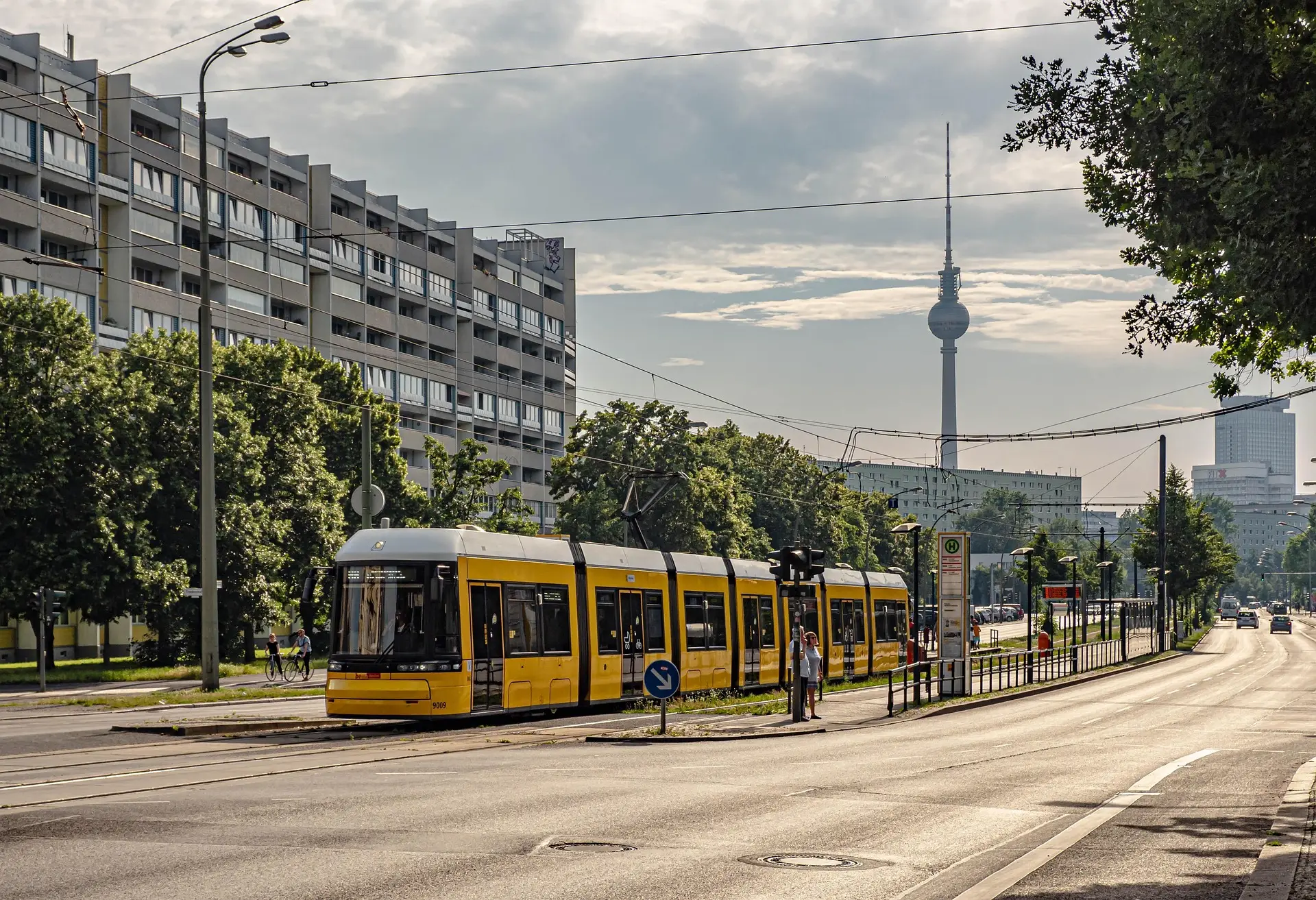
The BVG app shows real-time arrivals and it’s the perfect starting point to tame the Berlin public transport system. Forget the tourist day passes —get a monthly AB zone pass (€113) or the €63 Deutschlandticket if you plan to travel outside Berlin. Bikes are still the fastest way around central neighborhoods. Check a list of the essential tasks for your first steps in Berlin, and learn more about what you will need on your first month in Berlin.
6. Getting to know Berlin Neighborhoods
Mitte
Prenzlauer Berg
Kreuzberg
Neukölln
Friedrichshain
Wedding
Schöneberg
Often overlooked but offers a perfect balance of quiet streets and vibrant LGBTQ+ history. Akazienstraße and Motzstraße offer beautiful café culture.
7. Common Mistakes That Will Derail You
Apartment hunting without the right documents
Prepare a full application packet with your SCHUFA (German credit check), proof of income, and ID before looking. The best places receive hundreds of applications. True.
Paying cash deposits without proper contracts
Ignoring German correspondence
Working freelance without registration
The Finanzamt (tax office) catches up eventually. Register properly as a freelancer within your first month to avoid fines.
Expecting English everywhere
Just because you’re an international in an international city, don’t expect to find English-speaking people everywhere. While many Berliners speak English, government offices, doctors, and landlords often don’t. Learn basic German phrases and bring a translator app. Get help from a German-speaking friend that accompanies you or find them on the Marketplace.
Find consulting and on-site assistance for all the tasks listed on this page and more, on the WelcomeBerlin Marketplace. Read here about the things you should have known before moving to Berlin.
—For the full picture beyond the first 30 days, read our complete moving to Berlin guide covering housing, registration, banking and more.
Conclusion
Berlin will challenge you, frustrate you, but ultimately reward you like few other cities can. Its contradictions —efficient yet anarchic, rule-bound yet creative— make it endlessly fascinating. To make yourself a broader picture, read about the 10 essential tasks upon arriving in Berlin, and check these quick tips about how to settle in Berlin.
Once you’ve survived the bureaucratic gauntlet of your first month, the city opens up in ways that justify every hurdle. Pack your patience along with your paperwork. You’ll need both.
Author: Christian Dittmann —Graphic Designer, Writer, Musician, Entrepreneur, Expat in Berlin.

Share this post using: