
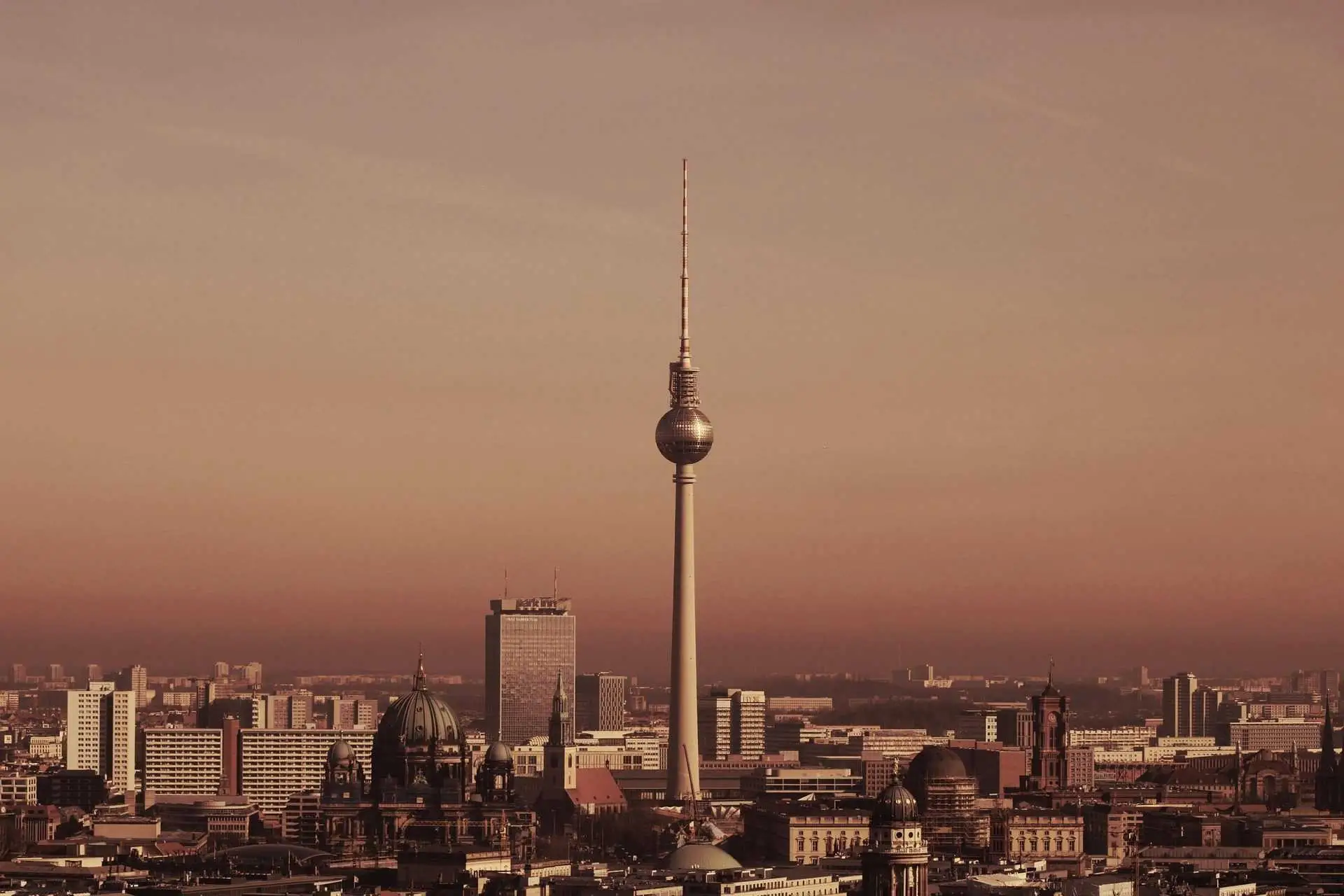
So, you’re thinking about moving to Berlin. You’ve seen the photos —graffiti-covered streets, cozy cafés, underground clubs. Maybe you’ve heard it’s affordable or a place for reinvention.
But here’s what no one tells you: The apartment hunt is heavy, paperwork is considerable, winters are unforgiving, and unspoken social rules can make or break your experience.
This isn’t another “Berlin is amazing” post, but the text you need before taking the leap. Because once you arrive, there’s no turning back. Or is it?
1. The Cheapest City in Western Europe? Think Again
2. Berliners Won’t Roll Out a Red Carpet. And That’s a Good Thing
3. The City’s Rhythm: Why Berlin’s Clock Ticks Differently
4. Expats vs. Locals: Do You Really Need to Choose a Side?
5. Berlin’s Underground Economy —And How Expats Fit In
6. You Won’t Understand the Grocery Store System Until You Embarrass Yourself
- The Supermarket Checkout Olympics —Are You Fast Enough?
- Why You Should Always Have a Coin for the Shopping Cart
- What’s the Deal with Pfand? A Crash Course in Bottle Deposits
- Why Grocery Stores Feel Like a Game of Survival
- The Mystery of German Dairy Aisles and Endless Sausages
- These Are The Classic Mistakes Every Newcomer Makes at the Grocery Store
- How to Avoid Stares at the Cash Register
7. Your First Apartment Hunt Will Be a Reality Check
- Why You’ll Compete Against 100 People for a Tiny Room
- The Documents You Need —Before You Even Start Looking
- What “Warm Rent” and “Cold Rent” Actually Mean
- The Hidden Costs of Berlin Rentals You Never See Coming
- Why You Should Never Trust an Apartment Ad at Face Value
- The Dark Art of Winning Over a Landlord
- Why Your Dream Apartment May Be a Lot Harder to Find Than You Think
8. No, You Can’t Just ‘Figure Out’ Health Insurance Later
9. Cash Is King, But Bureaucracy Is the Emperor
- Why Some Places Still Don’t Accept Your Fancy Credit Card
- Cash Will Save You Time And Stress in Berlin
- The Anmeldung: Your First Battle with German Paperwork
- The Surprising Truth About How Berlin’s Bureaucracy Runs the Show
- Why Even Berliners Don’t Understand Their Own Bureaucracy
- Can You Open a Bank Account Without a German-Speaking Friend?
10. Social Life: Berliners Aren’t Cold, They’re Just Different
11. Why ‘Moving to Berlin’ and ‘Belonging in Berlin’ Are Two Different Stories
12. The Day You Realize You’re No Longer a Tourist
- When You Give Someone Else Directions with Confidence
- The First Time You Complain About Tourists
- You See Yourself Yourself Explaining Berlin To a Newcomer
- The Moment You Stop Taking Photos of the TV Tower
- When You Realize That Every Corner Offers Transport From A to B.
- You Finally Realize Berlin Has Changed You
1. The Cheapest City in Western Europe? Think Again
Why Living on €1,000 a Month Is a Fantasy Now
Once upon a time, you could land in Berlin with a suitcase, a dream, and a €1,000 budget, and still have enough left over for beers at a Späti. Those days? Gone. Rent has doubled, utilities have skyrocketed, and even your beloved döner is inching toward the €10 mark. Sure, you’ll still see outdated blog posts claiming Berlin is a cheap paradise, but they were probably written by someone who last checked their bank account in 2015. The reality is that if you’re not sharing a tiny WG room, working under the table, or living exclusively on Lidl’s discount shelf, €1,000 won’t cut it. We have a complete article about costs of living in Berlin.
Expenses That Catch Newcomers Off Guard
Living in Berlin can come with various costs that might not be immediately apparent. These include waste management fees, public transportation expenses, high energy and utility costs, and telecommunication charges.
Property owners may face additional fees for taxes and maintenance, while education and healthcare can also incur unexpected costs. Car ownership involves taxes, insurance, and maintenance fees. Legal and notary services, taxes on income and capital gains, and childcare costs can also add up. Learn more about taxes here.
Additionally, cultural and leisure activities can be expensive. Understanding these potential hidden costs is crucial for better financial planning and avoiding surprises while living in Berlin.
So you’ve budgeted for rent, food, and maybe even your monthly BVG ticket. Congratulations, you’ve covered the basics. But did you know you’ll need to cough up three months’ rent upfront for a deposit?
Or that Anmeldung (mandatory address registration) might require a notarized lease you didn’t expect? —If your Wohnungsgeberbestätigung (landlord confirmation form) is incomplete or looks unofficial (see: suspicious), they might require notarization. If the landlord refuses to provide the form, some offices allow alternative proofs (like a notarized lease). Get a free guide about all documents you need for the Anmeldung and step-by-ste instructions on how to fill the Anmeldung form.
Oh, and Germany loves insurances —liability, health, household— each nibbling away at your paycheck before you even realize. Factor in hidden bureaucratic fees, unexpected bank charges, and the outrageous Rundfunkbeitrag (a mandatory broadcasting tax few like. Read more about this here), and suddenly, your “affordable” Berlin lifestyle starts looking more like an endurance test.
What’s Actually Cheap —and What’s Definitely Not
Berlin is a paradox when it comes to affordability. Beer? Still cheaper than a fancy coffee. Public transport? Expensive, but if you bike everywhere, you’ll never need to pay for it. Groceries? Decent prices —until you crave anything remotely exotic (avocados, artichokes, a proper cheese, or meat beyond pork). Rent? A nightmare. Hardware and construction items? Surprisingly overpriced.
Clothes? Thrift shopping is gold here, but anything brand new comes with a ridiculous markup. The trick is knowing where to splurge (good winter gear, health insurance, a proper bicycle) and where to cut corners (bring your own bottle to refill water, cook at home, embrace flea markets, buy second hand furniture, coats and accessories).
How to Stretch Your Euros Without Missing Out
Living in Berlin on a budget doesn’t mean locking yourself indoors, surviving on instant ramen (I have nothing against them FYI). It means playing the game smart. Happy hour at Turkish bakeries (discounts before closing), street food markets instead of restaurants, free museum days, and summer raves in abandoned spaces instead of overpriced clubs. Learn to navigate Berlin’s alternative economy —Facebook groups or Kleinanzeigen for cheap furniture, second-hand bikes, even local barter systems for services. Think of being broke here as a creative challenge rather than a death sentence. Learn how to live in Berlin on a budget.
*Pro Tip: If you want to make your money last, think like a Berliner. Ditch tourist traps, question every expense, and get comfortable with a little hustle —whether it’s scoring free events, finding part-time gigs, or cycling instead of paying for transit. But above all, understand that Berlin rewards those who adapt. If you come expecting cheap rent and freebies, you’ll be disappointed. But if you learn to play by the city’s rules, you might just stretch your euros further than you ever imagined.
2. Berliners Won’t Roll Out a Red Carpet. And That’s a Good Thing
If you’re hoping for a warm embrace and a red carpet laid out at your arrival, Berlin is about to disappoint you in the best possible way, truly. Berliners are famously direct, and don’t expect anyone to sugarcoat anything or make you feel like royalty. But here’s the kicker: That’s actually a good thing. No pretenses, no small talk, and no fake pleasantries —just pure, unfiltered, real connection. If you can handle that, Berlin might just be for you.
Why No One Will Pretend to Like You
In Berlin, politeness is optional, but honesty is mandatory. No one here will fake a smile or pretend interest in your life story just to be polite. If someone talks to you, it’s because they actually want to —not because they feel socially obligated. At first, this brutal honesty might sting, especially if you come from a culture where small talk is an art form (as I do myself). But once you get past the initial shock, my child, it’s refreshing. You’ll realize that when someone in Berlin does like you, they mean it.
How Berlin Teaches You Radical Self-Sufficiency
Berlin has no interest in holding your hand. The city assumes you’ll figure things out on your own, whether it’s learning that they rent a flat with no kitchen, just pipes sticking out of the walls (you need to fix the kitchen —Einbauküche— yourself or have someone fix it for you), and wondering what’s next, perhaps a bathroom without a toilet; deciphering bureaucratic German, or surviving a cash-only restaurant with no ATM in sight. It forces you to get comfortable with ambiguity, uncertainty, and the occasional setback. But somewhere between your first German-only tax form and learning which supermarkets open on Sundays (surprise, surprise, some of them actually do), you’ll become fiercely independent. Berlin doesn’t make life easy, but it does make you stronger.
The Power of Finding Your Own Way in Berlin
There’s no single way to “do” Berlin. Some dive into the club scene, some become artists or party animals, some turn out to be gay, others find a home in activist circles, underground art spaces, or start-ups.
You’ll see freelancers working from cafés at noon (or an U-Bahn station), punks drinking Sterni beer at 10 a.m., animals on the S-Bahn (beyond cats and dogs), foxes at ease, guerrilla knitted poles and trees, geriatric DJs, and old Berliners who’ve seen it all. The key is to stop looking for a predefined path —because there isn’t one.
The Secret to Making Friends in a City That Doesn’t Try
Making friends in Berlin is like assembling IKEA furniture without instructions —confusing at first, but rewarding if you persist. You won’t get instant invites to brunch, and you won’t be showered with warmth, but connections here are built differently. They grow over time, often in shared experiences— protests, community service, Sunday markets, long club nights, biking through the city, or bonding over the noise of Berlin summer. Friendships in Berlin don’t happen fast, but once they do, they last. We have an article written by a freelancer expat, about how to make friends in Berlin.
The Unspoken Rules of Socializing in Berlin
Berlin’s social code is unwritten but very real. Rule one: Don’t interrupt a deep conversation with surface-level chatter. Rule two: Don’t fake enthusiasm —you either care or you don’t. Rule three: Silence isn’t awkward, it’s normal. Small talk isn’t a survival skill here; depth is. You’ll notice Berliners don’t do the excessive “We should hang out soon!” if they don’t mean it. It might feel distant at first, but once you crack the code, you’ll find some genuine connections.
The Moment You Realize No One Cares —And That’s Liberating
You could walk through Neukölln wearing a tuxedo or head to a techno club in your pajamas, and no one would bat an eye (this is true, people). Berlin is a city of misfits, where nobody is too cool, too weird, or too anything to belong. The first time you realize that no one is judging you, something clicks. You stop seeking approval. You stop worrying about fitting in. And suddenly, you understand why so many people come to Berlin and never leave.
*Pro Tip: Berlin isn’t here to impress you, validate you, or make your transition easy —and that’s exactly why it touches people. The moment you stop expecting the city (or its people) to accommodate you, that is the moment you start gaining a glorious sense of confidence. Learn the rules, break a few, embrace the unknown, and most importantly, drop the need for external validation. Berlin won’t pretend to like you, but if you stick around long enough, you’ll realize you don’t need it to.
3. The City’s Rhythm: Why Berlin’s Clock Ticks Differently
Let me tell you. In Berlin, time doesn’t move like it does anywhere else. It’s not a city that follows the traditional nine-to-five grind or rushes to meet deadlines. The pace here is more about moments of calm, mixed with spurts of creative drama. You will find crowds at supermarkets and on public transport during early mornings or late hours
Berlin’s relationship with time is nuanced: While professional and official settings demand punctuality, creative and social spheres often operate with more flexibility. Expect a mix of strict schedules and relaxed attitudes, influenced by diverse cultural backgrounds and the city’s inherent unpredictability, particularly in public services and transportation. Adapting to this varied rhythm is key.
Your idea of punctuality might go a bit out the window once you embrace the city’s peculiar rhythm. Take a deep breath, let go of your anxieties about being “on schedule,” and join Berlin’s beautiful, unpredictable tempo.
Why No One’s in a Rush —Except at the Supermarket
The Strange Beauty of a Sunday With Nowhere to Go
The Hidden Logic Behind Berlin’s "Disorganized" Vibe
The Surprising Magic of an Early-Morning Ride
Whether it’s a 5 AM tram ride home from a club or a misty U-Bahn commute before the city wakes up, there’s something oddly peaceful about Berlin in the early hours. The city feels suspended in time —half-asleep, half-dreaming— offering a glimpse of itself without the usual chaos. You might even find yourself surrounded by party zombies while you’re riding the U-Bahn to work. It’s in these quiet moments that you realize that Berlin is intense but also has its pauses.
How the Pace of Life in Berlin Changes Your Sense of Time
At first, Berlin’s rhythm feels disjointed. Days stretch long, nights even longer, and somehow, you blink and a year has passed. The city rewires your internal clock —you unlearn the need to rush, recalibrate your expectations of time, and start measuring your days in lived moments rather than checklists. Before you know it, you’re living by Berlin time, and leaving it feels like stepping into fast-forward.
*Pro Tip: Berlin won’t match your pace— you have to match its. Fight it, and you’ll be forever frustrated. Surrender to the rhythm, and suddenly, time stretches in your favor. Slow down when the city slows down, move fast when it demands it, and for the love of everything, be ready at the supermarket checkout. Berlin time is about knowing when to let go.
4. Expats vs. Locals: Do You Really Need to Choose a Side?
Here’s the thing: Berlin isn’t some kind of battle royale between expats and locals. No one’s keeping score, and the city doesn’t care who you are or where you come from. But as an expat, you might wonder if you should pick a side —locals or fellow newcomers. Spoiler: You don’t need to choose. Berlin is the melting pot of the weird, the creative, and the eccentric. It’s a place where the lines blur, and your “side” is probably the side that makes you feel the most at home.
The Divide Between Long-Term Expats and Newcomers in Berlin
What Berliners Actually Think of Expats
Berliners don’t hate expats, but they’re also not about to throw a parade in your honor. To them, you’re just another wave in the never-ending tide of people who come and go. They respect those who try to integrate, roll their eyes at those who complain, and barely register the ones who stick to their own kind. If you want a real connection, don’t expect anyone to be impressed by your story —show them you’re here for more than just the cheap beer and wild weekends.
Why Some Expats Never Leave Their Bubble
Berlin makes it incredibly easy to never speak German, never make local friends, and never leave your comfort zone. There are entire expat ecosystems where you can live, work, and socialize without ever engaging with the city beyond its surface. And while that might feel cozy, it’s also a trap. The people who thrive in Berlin long-term are the ones who break out of the expat loop. If all your friends are also struggling with integration, you might be missing out on the real Berlin.
How Language Shapes Your Social Circles in Berlin
You don’t need perfect German to make Berlin home, but the language you speak will shape who you meet. Stick to English, and you’ll mostly connect with fellow expats, startup workers, and international students. Make the effort to learn German —even if it’s just stumbling through conversations— and suddenly, Berliners start opening up. Language is about words and about showing you’re invested in being here.
How Speaking German Changes Everything
The day you switch from “Sprechen Sie Englisch?” to even the most broken German, something shifts. The cashier is suddenly nicer, the bureaucrat sighs but helps you, and a Berlin barista actually cracks a smile. Speaking German is both a skill and a key. It unlocks friendships, respect, and a version of the city that most expats never get to see.
*Pro Tip: Berlin will let you live in an expat bubble for as long as you want —but the city doesn’t fully open up until you step outside of it. Learn the language, break the habit of only hanging out with people like you for Christ’s sake, and embrace the discomfort of feeling like an outsider. That’s the moment you stop just living in Berlin and actually belong to it. A great idea to get in touch with like-minded people is to attend networking events in Berlin.
5. Berlin’s Underground Economy —And How Expats Fit In
Why So Many Expats Freelance in Berlin
Berlin is a city that practically forces you into freelancing. Not because everyone dreams of being their own boss, but because sometimes it takes months to land a traditional job (unless you look for expert help), or the salaries just don’t stretch as far as you’d expect. Freelancing offers flexibility, freedom, the chance to enter a company through the back door, and busy weekends. Just be ready for the joys of quarterly tax prepayments, random letters from the Finanzamt, and the eternal struggle of figuring out health insurance.
How Side Hustles Keep Berlin Running
The Digital Nomad Illusion in Berlin: Reality vs. Expectation
Instagram makes it look easy —typing away at a café, espresso in hand, while funding a Kreuzberg loft with passive income. The reality? You’ll fight for Wi-Fi, spend hours battling legal tasks, and realize that Germany’s love for paperwork doesn’t mesh well with the “work from anywhere” lifestyle. Yes, Berlin is full of digital nomads, but most are just barely keeping up with taxes, visa renewals, and the ever-present fear of an unexpected fine.
How to Network Your Way Into Berlin’s Hidden Job Market
Berlin’s best jobs aren’t on LinkedIn —they’re passed around in WhatsApp groups, whispered about in coworking spaces, and given to people who “know someone.” (check English-speaking job listings here) Networking in Berlin isn’t about stiff business events as some might think, but rather about casual coffees, meeting folks who actually like what they do, and proving that you have passion, initiative, and curiosity. Find the right crowd, and suddenly, you’ll hear about opportunities before they ever become official. Check our Berlin Networking Events page.
The Unofficial Ways Expats Are Thriving in Berlin’s Shadow Economy
There’s an entire underground economy keeping Berlin’s expats afloat —off-the-books gigs, cash-in-hand jobs, and creative “loopholes” that exist simply because the system is too slow to catch up. From DJs paid in drinks to freelancers warping the visa rules, Berlin has a long tradition of making things work in unofficial ways. Just remember: What seems like a clever workaround today might become a bureaucratic nightmare later.
*Pro Tip: Freelancing and side gigs in Berlin are both a survival thing and a fast track to independence. The system won’t hold your hand, but that’s what makes Berlin different. Learn to navigate its quirks, keep multiple income streams open, and never underestimate the power of casual networking. Most importantly? Stay flexible. Today’s side hustle could be tomorrow’s career, or at least the thing that pays next month’s rent.
6. You Won’t Understand the Grocery Store System Until You Embarrass Yourself
The Supermarket Checkout Olympics —Are You Fast Enough?
Why You Should Always Have a Coin for the Shopping Cart
Picture this: You finally reach the store, grab a cart… and realize you need a €1 or €0.50 coin to unlock it. Forgot your change? Enjoy carrying your groceries like a medieval peasant, or dare to grab a cardboard box from a shelf.
The good news? This system means no rogue carts littering the parking lot (as if they couldn’t be found in yards or atop a bus stop roof).The bad news? You’ll develop an irrational attachment to keeping a euro coin in your wallet at all times.
What’s the Deal with Pfand? A Crash Course in Bottle Deposits
Buy a drink, pay extra. Return the bottle, get your money back. Simple, right? Except when you’re standing at a machine, trying to figure out why it won’t accept your bottle while a queue forms behind you. Germany’s bottle deposit system is brilliant for recycling, but you’ll soon learn there’s a hierarchy: Plastic bottles, glass bottles, and the dreaded non-refundable imports.
Tip: Check for the little “Pfand” logo before you buy.
Why Grocery Stores Feel Like a Game of Survival
The Mystery of German Dairy Aisles and Endless Sausages
These Are The Classic Mistakes Every Newcomer Makes at the Grocery Store
- Touching bread with bare hands (you’re supposed to use the little plastic gloves or the bread tong).
- Forgetting to weigh your own fruits and veggies (some stores still make you do this at a separate scale).
- Assuming stores are open on Sundays (mostly are not, and you’ll suffer for it).
- Bringing the wrong card (some places still don’t take Visa or Mastercard, if any).
How to Avoid Stares at the Cash Register
You’re at the checkout. The scanner beeps at supersonic speed. The cashier is already announcing your total before you’ve even touched your first item. Don’t panic —just be ready. Have your payment method out, start bagging immediately (or throwing items back into your shopping cart at the speed of thunder without smashing eggs or tomatoes), and for the love of everything, don’t try to crack a joke (unless your German is B2 or higher). Berlin’s grocery store culture is all about efficiency, not conversation.
*Pro Tip: From mastering self-checkout strategies to knowing which store has the best deals (hint: Lidl for budget, Edeka for variety, Bio Company if you’re feeling fancy), grocery shopping in Berlin is an art form. Accept it, move with confidence, and always —always— have a coin for the cart.
7. Your First Apartment Hunt Will Be a Reality Check
If you think finding an apartment in Berlin will be a breeze, get ready for a cold shower. The city’s rental market is as brutal as it is competitive, and unless you have nerves of steel and a killer apartment hunting strategy, you’ll probably find yourself submitting countless applications with no response. But don’t worry, the struggle is part of the journey. In the end, the apartment you finally land will feel like a victory… or maybe just a relief. Find housing solutions on the Marketplace, and read more about how to find a flat in Berlin before everybody else.
Why You’ll Compete Against 100 People for a Tiny Room
The Documents You Need —Before You Even Start Looking
Don’t even think about browsing apartment listings without first assembling your battle gear. You’ll need a proof of income, a SCHUFA credit report (to show you’re not a financial disaster), a rental reference (preferably from your last landlord, not your mom), and your ID. Oh, and don’t forget your bank statement, because landlords want to see that you can pay rent without a hitch. Got all that? Great. Now you can start your search.
What “Warm Rent” and “Cold Rent” Actually Mean
The Hidden Costs of Berlin Rentals You Never See Coming
Why You Should Never Trust an Apartment Ad at Face Value
The Dark Art of Winning Over a Landlord
It’s not just about the documents, it’s about making a good impression. Berlin landlords have the power to be both picky and mysterious. They might take one look at your paperwork and decide you’re “not the right fit,” or worse, ignore you altogether. To stand out in this cold, bureaucratic landscape, it helps to be a bit charming, show that you’re reliable (without overdoing it), and if possible, give them a good reason to choose you over 20 other candidates.
Tip: Always be polite, punctual, and, most importantly, don’t act desperate: Explore the flat with disdain, strike that poker face.
Why Your Dream Apartment May Be a Lot Harder to Find Than You Think
Dream apartments in Berlin? They’re like unicorns —rare, elusive, and almost impossible to catch. The city is growing fast, and while its rental market is one of the most competitive in Europe, most available apartments are subpar or overpriced. You might think you’ve found “the one,” only to realize that the neighbors are noisy, or the landlord is a nightmare. Expect to kiss a few frogs before you land your perfect place. It’s a frustrating journey, but hey, you’re in Berlin, so the adventure is part of the fun, right?
*Pro Tip: Apartment hunting in Berlin will test your limits. Be ready to move quickly, because the good places disappear faster than you can say “Warmmiete.” Have your documents in hand, your expectations in check, visit the neighborhood before committing to have a sense of it, and most importantly, stay flexible —what seems like a dream apartment today may not be so perfect tomorrow. Embrace the process, and remember: Persistence is your best ally in this city’s rental battlefield.
8. No, You Can’t Just "Figure Out" Health Insurance Later
The Public vs. Private Insurance Dilemma Explained
In Berlin, choosing between public health insurance (gesetzliche Krankenversicherung) and private health insurance (private Krankenversicherung), is directly linked to your future health and finances. Public insurance is straightforward, covers most things, and has a fixed cost, which can be ideal for most expats —especially those with a steady income. Private insurance, on the other hand, offers more flexibility and sometimes better services but can be pricey and complicated to navigate. The catch? Once you’re in private insurance, you can’t easily switch back to public if your financial situation changes. So, it’s not just a choice —it’s a commitment. Find out more about health insurance here.
What Happens If You Don’t Sign Up in Time
In Germany, missing the deadline for signing up for health insurance is a major problem. If you don’t register for health insurance within three months of arrival, you could face steep penalties and be required to pay for your own medical care out of pocket until you’re covered. And worse, if you go uninsured for too long, you’ll be hit with a fine for each month you’ve been without coverage. Time is your enemy here, so don’t wait to sign up.
Why Your Visa Might Depend on Your Health Coverage
This is a critical part of your residency process. When applying for your visa or residence permit in Germany, the authorities will ask for proof of valid health insurance. Without it, your visa application could be delayed, or worse, rejected. If you’re on a student visa or looking to extend your stay, showing you’re covered by an insurance plan could be the key to your legal right to stay in the country. It’s not a formality but an absolute necessity.
The Mistake That Could Cost You Thousands in Medical Bills
Here’s the hard truth: Not understanding how health insurance works in Germany could cost you big time. Whether it’s assuming that a short-term private plan will cover everything or underestimating the cost of private healthcare, many expats get caught in the trap of miscalculating their needs. In the worst-case scenario, if you’re uninsured or misclassified in the system, you could end up paying full price for medical services, which can be exorbitantly expensive. Make sure you’re on the right plan from the get-go to avoid a financial nightmare later.
What Expats Wish They Knew Before Signing Up
Everyone wish they had a crystal ball when it comes to navigating the German health insurance system. A few key insights? First, don’t assume that private insurance is always the best option; it might not be if you’re planning on staying in Germany long-term. Second, public insurance might not cover all the special treatments or doctors you want, so do your homework.
And finally, make sure you understand the fine print of your contract —what seems cheap upfront could have hidden costs later on, especially if you need to switch your coverage mid-contract. In Germany, insurance is a key element of your life here. Check here a list of the 10 essential tasks to complete when you arrive in Berlin.
*Pro Tip: When it comes to health insurance in Germany, knowledge is power. Spend time researching what fits your situation best and get covered as soon as possible to avoid unnecessary complications down the road. Your insurance is more than just a safety net —it’s a vital piece of your expat puzzle.
Find support with signing up for health insurance, on the welcomeBerlin Marketplace.
9. Cash Is King, But Bureaucracy Is the Emperor
In Berlin, cash still rules the land. Forget about your fancy cards or mobile payments —Berlin’s love affair with cash is strong. You’ll find that many places still prefer it, and in some cases, it’s the only option. But here’s the kicker: While cash may be king, bureaucracy is the emperor.
Prepare for a fair deal of paperwork, lines that go on forever, and endless forms to fill out. The German administrative system is a beast of its own, and you’ll need patience to navigate it. Luckily, the cash system will save you some headaches along the way.
Why Some Places Still Don’t Accept Your Fancy Credit Card
While you might think that swiping your shiny credit (or debit) card is the universal solution, Berlin has a few quirks that’ll test your card’s global appeal. Many small shops, restaurants, and even taxis still operate on a cash-only basis. (It is actually a good idea asking before sitting in the cab, at the restaurant, etc.) And if you think your American Express or cool local card is the ticket to anywhere (you mean paying with your watch? using a QR code?) —think again. Some businesses just prefer the old-fashioned way. It’s frustrating, especially when your wallet is a tech-savvy masterpiece, but consider it a cultural peculiarity, not a glitch in the system.
Cash Will Save You Time And Stress in Berlin
In a city that’s constantly moving and changing, the one thing you can count on is cash. No matter how many “cashless” stickers you see plastered on windows, Berlin still runs on the euro —literally. From flea markets to casual cafés, having cash on hand can save you from getting the middle finger or scrambling for an ATM. Plus, it’s a great way to avoid those ugly transaction fees that seem to multiply every time you swipe. So, leave your credit card in your bag and make sure you’re stocked with cash —it’ll make your life in Berlin so much easier.
The Anmeldung: Your First Battle with German Paperwork
Ah, the Anmeldung —the rite every expat must endure in Berlin. If you’ve ever had a dream about being buried under a pile of paperwork, welcome to reality. The Anmeldung is your official registration at the Bürgeramt (City Hall), and it’s the first step in becoming a proper Berliner. It must be completed within 14 days of your arrival. You’ll need proof of address, a passport, and plenty of patience, as booking an appointment often feels like securing a rare ticket to a concert. Get ready for a process that might leave you questioning if you’ve accidentally signed up for an exam.
Here is a guide about how to book online an appointment at the Bürgeramt for the Anmeldung interview. If you need help with this, find on-sitte assistance with the Anmeldung appointment, on the Marketplace.
The Surprising Truth About How Berlin’s Bureaucracy Runs the Show
Berlin’s bureaucracy is a force of nature. Want to swap your driver’s license? Prepare for a multi-month saga featuring conflicting information, mysterious office hours, and at least one clerk who insists you need a document that no one else has mentioned. Need to update your health insurance? Brace yourself for letters arriving by post weeks after you needed them, written in German so dense it feels like a legal riddle. Here, the old adage applies: “No post is good news.” Even something as simple as retrieving a lost package can turn into an odyssey through various departments, each directing you somewhere else. It’s not evil —it’s just Berlin’s way of making sure you’re really committed.
Why Even Berliners Don’t Understand Their Own Bureaucracy
The locals joke about it in dive bars —how the public offices aren’t inefficient, just artistic, a ballet where the dancers are clerks and the choreography changes daily. Neukölln accepts your coffee-stained lease; Wedding demands a notarized oath in blood.
Expats rage. Anarchists scheme. But the Germans? They bring snacks, bring patience, and understand that this is rather tradition than dysfunction. The system works like a Soviet elevator: Slow, unpredictable, but it does move.
The rules? Unwritten. The process? Opaque. The outcome? A coin toss. Sometimes you walk out with a stamped miracle. Sometimes you’re told to return when Saturn aligns with the Brandenburg Gate. Welcome to Berlin. The beast must be fed.
Can You Open a Bank Account Without a German-Speaking Friend?
While some things in Berlin are built for the non-German speaker, opening a bank account at a bank branch is not one of them. Yes, you can technically do it, but it’s a game of patience and language barriers. Some banks offer English-speaking services, but you’ll find that the deeper you go into the banking world (loans, credit, etc.), the more likely you’ll encounter German-only documents. It’s a good idea to bring a bilingual friend or even hire a translator if you’re serious about getting all the details right. Find support for all this on the WelcomeBerlin Marketplace.
*Pro Tip: Whether it’s cash-only businesses, navigating bureaucracy, or figuring out how to open a bank account, Berlin runs on its own unique rhythm. Don’t expect things to be quick or easy, and definitely don’t expect them to be entirely in English. Be patient, stay organized, and, most importantly, bring your sense of humor. With time, you’ll find your groove and realize that Berlin’s charm often lies in its unpredictability.
10. Social Life: Berliners Aren’t Cold, They’re Just Different
If you’ve heard that Berliners are cold or unfriendly, let us correct you —Berliners aren’t cold, they’re just… well, different. It’s not about being rude; it’s about a cultural difference that emphasizes honesty, directness, and a little less small talk.
They don’t wear their hearts on their sleeves, but when they do open up, you’ll get to see the deep, loyal friend behind the cool exterior. So don’t take it personally if they’re not jumping to hug you on day one. Give it time, and you’ll find that Berliners have a lot of warmth to offer.
Why Small Talk Isn’t a Thing —And What to Do Instead
In Berlin, small talk is practically a non-existent concept. Forget the typical pleasantries you’d expect at a bar or in a café. Berliners don’t have time for superficial conversations. Instead, they dive straight into meaningful topics (or avoid talking altogether). So, if you’re looking for that friendly “how are you?” chat, you won’t find it here. But don’t worry —this just means when they do engage with you, it’s going to be real. So, ditch the small talk, and embrace authenticity. Berliners appreciate honesty over forced pleasantries any day.
Why You Shouldn’t Expect Instant Friendships
Contrary to what movies might have you believe, making friends in Berlin isn’t as easy as sipping your first beer at a pub. While the city is brimming with people, Berliners value their space and take their time with relationships. People don’t just instantly welcome you into their circles. Friendships take months (or even years) to cultivate. But that’s not a bad thing. It’s a sign of authenticity. When you finally break through that initial coldness, you’ll find deep, meaningful friendships that are worth the wait. Read this article about how to make friends in Berlin.
Why Invites Take Time
The Meaning of "Kiez" and Why It’s Key to Making Friends
“Kiez” is more than just the name for neighborhood in Berlin. There you will develop your sense of belonging. Berliners are fiercely loyal to their Kiez, and it’s where you’ll start making real connections. This is where you’ll get to know the same shopkeepers, cafés, and bars that locals frequent. It’s in your Kiez where you’ll discover a network of like-minded people. If you want to make authentic connections, focus on settling into one area of the city. Over time, you’ll find that your Kiez becomes the center of your social life.
You Want to Crack the Code of Berlin’s Nightlife Scene
Berlin’s nightlife isn’t like anywhere else. Some describe it as a true labyrinth of underground clubs, secret bars, and exclusive events. If you’re hoping to simply stroll into Berghain and get in, think again. The scene is about knowing the right people and the unspoken codes of the night. It’s not about the glitzy VIP scene (or clean toilets for that sake); it’s about being in the know, having situational awareness, and immersing yourself in Berlin’s curious party culture. Good luck trying to find that club or bar if you go on your own, for there are no signs, nothing, as if they couldn’t care less whether customers find their venue. And wear black unless you wish to be turned away from the dancefloor. Read about Berlin nightlife and clubs on the Berlin Manual.
Why Berliners Are the Warmest People Once You Break Through the Ice
It might seem like Berliners are cold at first glance. They’re not the type to gush over you or go out of their way to make you feel comfortable. But once you break through that initial wall, you’ll discover a warmth that is anything but superficial. Berliners are deeply loyal and surprisingly warm-hearted —once they trust you. It’s just a matter of showing respect for their space and proving your sincerity. Patience is key, but once you’ve cracked the ice, expect genuine friendships and a sense of camaraderie you won’t find just anywhere.
*Pro Tip: Berlin isn’t a city where you’ll make instant friends or have people throwing invites your way right off the bat. The friendships you form here are earned slowly and authentically. Focus on the people who value quality over quantity, and don’t expect to crack the social code overnight. Embrace the Kiez, ditch the small talk, and enjoy the long journey of getting to know the real Berlin. You’ll find a community that’s as loyal and vibrant as the city itself.
11. Why "Moving to Berlin" and "Belonging in Berlin" Are Two Different Stories
So you’ve moved to Berlin. Congratulations. But here’s the thing: Moving to a city and truly belonging to it are two different things. You’ll quickly realize that it takes more than just finding an apartment and joining a few meetups to truly feel like you belong.
One is easy, the other takes time, patience, and a deep understanding of what it means to truly call Berlin home. Certainly: It’s not all about the beer gardens.
When Berlin Stops Feeling Like an Extended Vacation
In the beginning, Berlin feels like one big, long holiday. You’re in awe of the quirks, the street art, the underground culture, the beer gardens, the cozy cafes in autumn, the lovely swims in summer, and the unorthodox way people live their lives. But eventually, something shifts.
You wake up one day and realize you’ve stopped being a tourist. It’s not just the sightseeing that wears off —it’s the way the city seeps into your bones. You’re no longer dazzled by its coolness or novelty. Instead, you find yourself grappling with the realities of everyday life in Berlin: Paperwork, apartment hunts, bureaucracy, job seeking, networking, hustling. The magic remains, but now it’s part of your routine, not a vacation highlight.
The Day You Stop Comparing It to Your Home Town
Why Some Expats Never Feel Fully Settled
There’s a strange thing that happens when you live in Berlin: You might never feel like you truly belong. Even if you live here for years, even if you speak the language, even if you’ve made friends, there’s a subtle feeling of being an outsider. Maybe it’s because Berlin is a city full of transients, a place where many people come for a while and leave when they’ve had their fill. Or maybe it’s because the city’s culture is so distinct, so deeply tied to its history, that it’s hard to ever fully feel at home. For some, the struggle to feel “settled” persists throughout their stay, and that’s just part of the Berlin experience.
How Berlin Changes You Without You Noticing
The Moment You Finally Understand Berlin's Soul
The day you finally get the city’s soul is the day it all clicks. It’s not something you can fully explain, but it’s the moment you grasp the chaotic beauty of the city. Maybe it’s when you start seeing art everywhere you go, from the graffiti on the walls to the impromptu street performances.
Maybe it’s the day you realize that the city’s blend of old and new, its rawness and creativity, makes it one of the most unique places in the world. Or maybe it’s just the moment when you stop feeling like a tourist, stop trying to fit into someone else’s version of Berlin, and finally feel like you’re living your version. Your own version. That’s when you’ll truly understand Berlin’s essence, in my opinion.
*Pro Tip: Berlin isn’t a city you can just master or fully understand. It’s constantly evolving, and so are you. Stop stressing about fitting in or finding your exact place in the city. Instead, let Berlin change you naturally. When you stop comparing it to your hometown, embrace its contradictions, and allow yourself to be transformed by its raw and dirty swing. You’ll finally see the city for what it truly is: A place that welcomes your growth, however unexpected it may be.
12. The Day You Realize You’re No Longer a Tourist
At some point, you’ll have a moment —a sudden realization that you’re no longer just passing through Berlin. You’ve stopped visiting the tourist spots, started navigating the U-Bahn like a pro. It’s an odd day when you catch yourself heading for the neighborhood cafes or that park only locals know about.
You stop planning your weekend around must-sees and start planning around where you’ll find the gems. When the day comes, you’ll realize you’ve officially shed your tourist skin. Welcome to the club, baby.
When You Give Someone Else Directions with Confidence
It’s a rite of passage in Berlin: The moment you give someone directions without hesitation, as though you were born in this city. At first, you probably rely on Google Maps like a lifeline, but after a while, the streets become familiar. You begin to navigate effortlessly through Kreuzberg, Neukölln, or Mitte, and suddenly you’re the one confidently guiding someone else, even offering them shortcuts they never knew existed (because you are a biker), or you can swear on a rude driver. It’s the first time you realize: You’ve become a local. And it’s a small but incredibly satisfying victory.
The First Time You Complain About Tourists
You swore you’d never be one of those people —grumbling about tourists, shaking your head at the crowds around Brandenburg Gate or Alexanderplatz. But then, one day, you find yourself doing it. Maybe it’s because you’ve finally experienced the city from a local’s perspective. You know the best cafés, the quiet spots, and the hidden gems, and you’re tired of having to share them with the selfie-stick brigade. The moment you start to grumble about tourists is when you realize you’ve officially crossed the line from newcomer to true Berliner.
You See Yourself Yourself Explaining Berlin To a Newcomer
The Moment You Stop Taking Photos of the TV Tower
When You Realize That Every Corner Offers Transport From A to B
In most cities, finding efficient transport might feel like a puzzle you need to solve. But in Berlin, public transportation is your friend. From the U-Bahn to the S-Bahn, trams, and buses, Berlin has a system so reliable, it almost feels like the city is designed for getting around. At some point, you’ll realize that no matter where you are —whether it’s in the middle of Charlottenburg or near the Spree— you’re just a short walk from a public transport option that’ll get you where you need to go. The city is built for movement, and Berliners never have to worry about getting stuck.
You Finally Realize Berlin Has Changed You
It’s easy to forget that Berlin is quietly changing you while you’re busy living your life. But then one day, you realize it. You’ve stopped stressing over the little things, you’ve become less concerned with fitting in, and you’ve adopted a “live and let live” mentality. You don’t care about perfection anymore. You don’t rush. You savor. You’ve grown independent, confident, and unapologetically yourself. Berlin has transformed you without you even noticing, and it’s in that moment you realize you become a part of the city.
*Pro Tip: Berlin isn’t a place you can tame but rather a city that rudely reshapes you over time. So, when you stop taking photos of the trash, when you find yourself explaining FKK to newcomers, and when you give directions without a second thought, that’s when you know. Embrace the changes, let the city mold you, and soon enough, you’ll realize that Berlin is no longer a cliche; it’s your city, and you’re proud to be a Berliner.
—Once you know what to expect, our complete first month guide gives you the practical checklist to handle it all.
Final Thoughts: Embrace the Chaos, Own Your Journey
So, you’ve crossed from tourist to Berliner. Welcome to a city that chokes on its contradictions and challenges. Berlin doesn’t roll out the red carpet —it throws you in the deep end, and it’s up to you to swim. But that’s the beauty of it. It doesn’t make you fit in; it forces you to carve your own space, making each misstep a lesson learned and every small victory a reminder that you belong.
So, my friend. Take a deep breath, grab your documents, and dive in. Your Berlin story is waiting to be written —and it starts with staying legal. Welcome to Berlin.
Author: Christian Dittmann —Graphic Designer, Writer, Musician, Entrepreneur, Expat in Berlin.

Share this post using: