
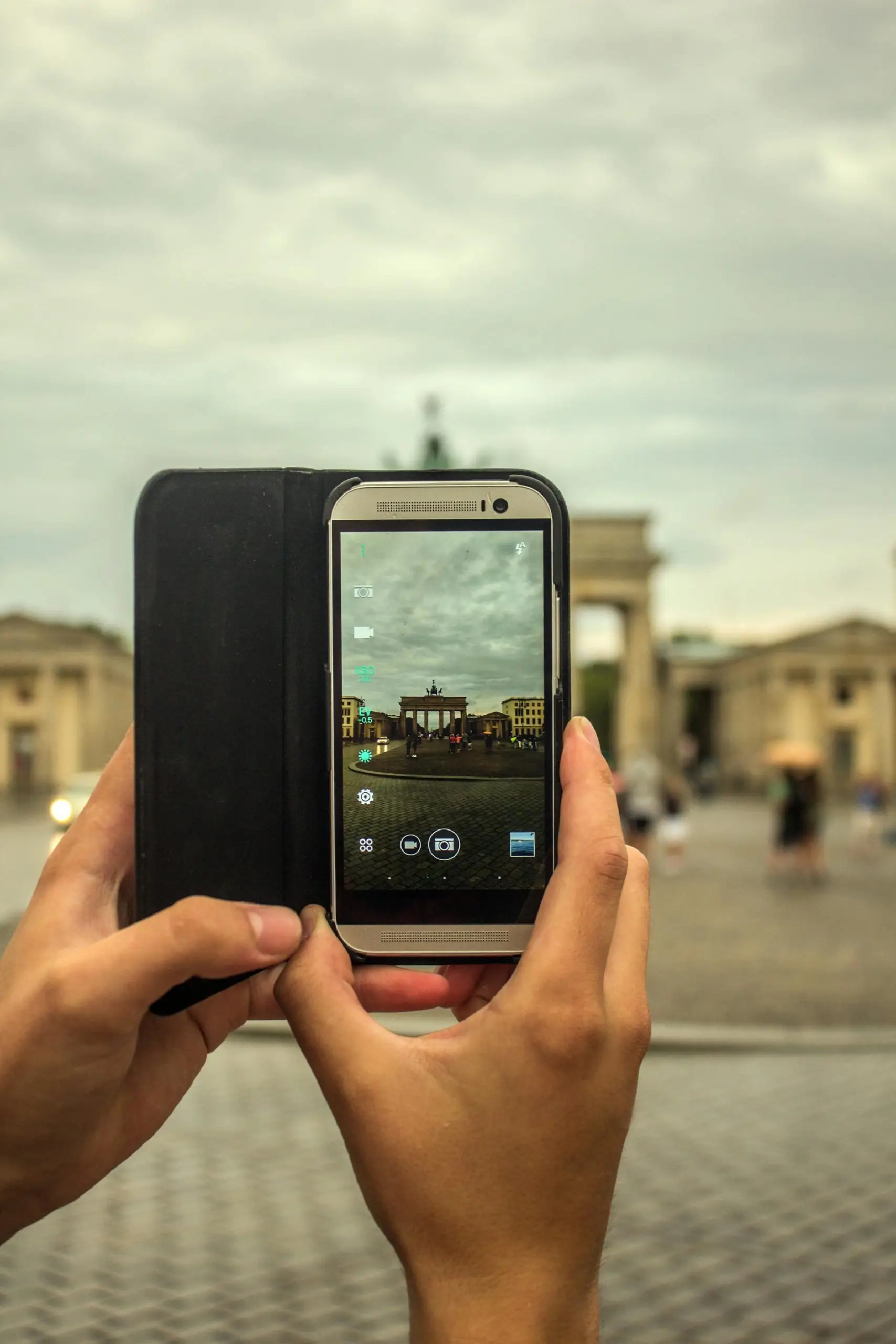
Moving to Berlin as an expat comes with exciting opportunities but also unique challenges. From understanding Berlin’s bureaucracy and finding your first WG (shared flat) to figuring out the BVG and registering your address (Anmeldung), life in Berlin can be confusing at first. Rules are strict yet flexible, customer service is definitely different, and the city’s open-minded reputation comes with surprising contradictions.
This Berlin survival guide helps you master everyday life, avoid common mistakes, and make the most of your expat experience. Whether you’re looking for tips on cheap food, public transport, housing, or city etiquette, this guide covers everything you need to survive and thrive in Berlin.
1. Why Everyone Talks About Anmeldung – and What Happens If You Don’t Do It
2. Why Your First Berlin Apartment Will Probably Be a WG – and How to Find a Good One
3. Public Transportation Fines: You'll Want to Avoid Them
4. Where to Find Decent Cheap Food in Berlin That Isn’t Döner or Currywurst
5.Why Many Complain About German Customer Service – and How to Survive It
6. How to Deal With Berlin Winters Without Losing Your Sanity
7. Why Germans Love Rules – and How to Use That to Your Advantage
8. The Berlin Paradox: Why the City Feels Both Chaotic and Chill at the Same Time
9. Why Berlin Changes People – And How It Might Change You
- How the City Pushes You to Rethink Your Priorities
- How Berlin’s Creative Energy Can Inspire Personal Growth
- The Challenges of Living in Berlin – and How They Shape You
- Why Some People Become Their Best Selves in Berlin – And Others Get Lost
- The Expat Evolution: How Your First and Second Year Will Feel Different
- Is Berlin’s Influence Permanent? What Happens When You Leave
10. Minimalist or Maximalist? Berlin’s Approach to Life Will Challenge Yours
11. The Freedom Theory: Is Berlin Really as Open-Minded as People Say?
- The Reality Behind Berlin’s Reputation as a Liberal Paradise
- How Berlin’s Open-Mindedness Can Be Both a Blessing and a Curse
- Is Berlin’s Open-Mindedness Just a Myth? A Critical Perspective
- The Unspoken Social Rules You’ll Only Notice After a Year Here
- Who Really Belongs in Berlin? A Look at Inclusion and Exclusion
12. Why Some Expats Love Berlin and Others Leave After a Year
1. Why Everyone Talks About Anmeldung – and What Happens If You Don’t Do It
The Anmeldung —Germany’s mandatory registration process— is a true rite of passage for anyone moving to Berlin. It’s also one of the most talked-about (and dreaded) aspects of settling in the city.
But what exactly is the Anmeldung, why is it so important, and what happens if you don’t do it? Let’s break it down, step by step.
Anmeldung vs. No Anmeldung: The Real Consequences
The difference between having an Anmeldung and not having one is like night and day in Berlin and in Germany. With an Anmeldung, you’re officially part of the system: You’ll receive your tax ID, open a bank account, and access essential services like health insurance and phone contracts. It’s your ticket to a functional life in Germany.
Without it, you’re essentially invisible to the bureaucracy —unable to work legally, sign contracts, or even prove your residency. Worse, you risk fines of up to €1,000 if you’re caught.
While some people manage to delay or avoid the process, living without an Anmeldung is a constant gamble that can lead to problems with landlords, employers, and even the police.
In a country where rules are taken seriously, skipping the Anmeldung is both inconvenient and a shortcut to unnecessary stress and legal trouble.
How to Get an Anmeldung Without Losing Your Mind
The Anmeldung process can be stressful, but with the right preparation, it’s manageable. Here’s how to do it:
- Book an appointment: Use the Bürgeramt website to book a slot. Appointments can be hard to come by, so check early in the morning or late at night for cancellations.
- Gather your documents: You’ll need:Your passport or ID.A completed Anmeldung form (downloadable online).A Wohnungsgeber bestätigung (confirmation of residence) signed by your landlord.
- Show up on time: Arrive at least 10 minutes early with all your documents.
- Be patient: The process itself is quick (10-15 minutes), but waiting times can vary.
If you can’t find an appointment in your district, try booking in a less busy area like Spandau, Reinickendorf or Marzahn. Read this guide to find out exactly how to book an appointment by yourself.
Common Anmeldung Mistakes Expats Make – and How to Avoid Them
Understanding the Anmeldung process can be slow, and expats often make avoidable mistakes that lead to frustration or delays. One common error is showing up without the Wohnungsgeberbestätigung (confirmation of residence) signed by the landlord —this document is non-negotiable, and without it, you’ll be turned away.
Many expats also underestimate the importance of bringing all required documents, only to realize too late that they’re missing something. To avoid these pitfalls, double-check the requirements on the Bürgeramt website, seek for help if not sure, prepare your documents in advance, and confirm your appointment details. A little preparation goes a long way in making the process smooth and stress-free.
*Pro Tip: If you’re struggling to get a Wohnungsgeberbestätigung from your landlord, try offering to draft the document yourself. Many landlords are happy to sign if you do the legwork. And if you’re really in a bind, consider subletting a room in a WG —most main tenants are willing to help with the Anmeldung process. Learn more about how to do the Anmeldung.
Find assistance with the Anmeldung on the WelcomeBerlin Marketplace.
2. Why Your First Berlin Apartment Will Probably Be a WG – and How to Find a Good One
What Is a WG and Why Is It the Default for Newcomers in Berlin?
A WG is a shared apartment where tenants have their own rooms but share common spaces like the kitchen, bathroom, and living area. In Berlin, WGs are the default for newcomers for a few reasons:
Affordability: Renting a room in a WG is often cheaper than getting your own place. The average rent for a WG room in Berlin is around €500-700, compared to €800+ for a studio.
Flexibility: Many WGs offer short-term leases, which is ideal if you’re new to the city and unsure how long you’ll stay.
Community: Moving to a new city can be lonely, and a WG provides built-in social connections.
For many, a WG is more than just a place to live but a way to integrate into Berlin’s vibrant, communal culture.
WG vs. Studio: What You Can Actually Afford in Berlin
Berlin’s housing market is notoriously competitive, and your budget will largely determine whether you end up in a WG or a studio. Here’s a breakdown:
- WG Room: €500-700/month (utilities often included).
- Studio Apartment: €700-1,200/month (plus utilities).
- 1-Bedroom Apartment: €800-1,500/month (plus utilities).
For most newcomers, a WG is the only realistic option. Studios and one-bedroom apartments are not only more expensive but also harder to find, often requiring a SCHUFA (credit check — click here to find out how to ask for a free report), proof of income, and a long-term commitment.
Top Tips for Finding a WG That Fits Your Personality and Budget
- Start early: Berlin’s housing market moves fast, so begin your search at least a month before your move.
- Use the right platforms: Check websites like WG-Gesucht, Kleinanzeigen, and Facebook groups like “Berlin Housing & Apartments.”
- Write a compelling profile: Introduce yourself, mention your interests, and explain why you’d be a good flatmate. Germans value honesty and transparency.
- Be proactive: Message multiple listings daily and follow up promptly.
- Attend WG castings: Many WGs hold interviews to find the right fit. Treat it like a casual job interview —be yourself, but show that you’re reliable and easy to live with.
Red Flags to Watch Out for When Searching for a WG in Berlin
Not all WGs are created equal. Here are some warning signs to watch for:
- No contract: Always insist on a written rental agreement. Verbal agreements are risky and offer no legal protection.
- Unclear costs: Make sure you know exactly what’s included in the rent (utilities, internet, etc.) and what’s not.
- Overcrowding: If the apartment seems cramped or has too many rooms, it might be an illegal sublet.
- Pushy landlords: If the landlord or main tenant is pressuring you to move in quickly or pay a deposit without seeing the place, it could be a scam.
- Bad vibes: Trust your gut. If the flatmates seem unfriendly or the atmosphere feels off, keep looking.
*Pro Tip: If you’re struggling to find a WG, consider expanding your search to neighborhoods outside the city center.
Areas like Tempelhof, Lichtenberg, Lankwitz or Reinickendorf, are more affordable and often have hidden gems. And if you’re really in a pinch, temporary housing options like Wunderflats, Blueground, or Housing Anywhere can give you a base while you continue your search.
Consider that the lower prices mentioned above are typically found farther from the city center, outside the Ring.
3. Public Transportation Fines: You'll Want to Avoid Them
Flowing through Berlin’s public transport system can feel like a rite of passage for newcomers. But one wrong move —like forgetting to validate your ticket— can lead to a hefty fine. Here’s everything you need to know about fines, how to avoid them, and what to do if you get caught, all backed by current rules.
Don't Get Caught Without a Ticket
The penalty for riding without a valid ticket as of 2023, is a fine of €60 if paid within two weeks, and it increases to €120 if paid later. Common reasons for fines include:
Not having a ticket at all.
Forgetting to validate your ticket (for single tickets).
Using an expired or incorrect ticket (e.g., a short-distance ticket for a long trip).
- Using a ticked intended for a different zone.
Ticket controllers, often in plain clothes, are notorious for their efficiency. They can appear anywhere, anytime —on trams, buses, U-Bahns, and S-Bahns. If you’re caught without a valid ticket, there’s no talking your way out of it.
The same applies to trains, although controllers wear uniforms. If you board a train at the last minute without a ticket, walk along the aisles to find a controller and purchase your ticket right away. Always carry cash just in case.
What to Do If You Get Fined – and Can You Talk Your Way Out?
If you’re caught without a valid ticket:
- Stay calm and polite: Arguing or running won’t help.
- Pay the fine promptly: The €60 fine doubles to €120 after two weeks.
- Explain your situation (if valid): If you genuinely made a mistake (e.g., forgot to validate), you can appeal in writing to the BVG. While success isn’t guaranteed, providing evidence (like a valid ticket purchased that day) can sometimes work.
- If the station you boarded from does not have a working ticket machine, you can take a picture of it and show it to the controller if needed.
Always carry ID when using public transport. If you don’t have ID, the situation can escalate, and you might even be escorted to the police. If you are caught without a valid ticket on Berlin’s public transport, you can pay the fine immediately using a Girocard or credit card to avoid additional procedures later.
The Berlin Ticket System Explained (Because It Can Be Confusing)
Berlin’s public transport system is divided into zones (A, B, and C):
AB Zone: Covers central Berlin.
ABC Zone: Includes the airport and Potsdam.
Ticket types include:
Single ticket: Valid for one journey in one direction (must be validated).
Short-distance ticket: For up to 3 stops, must be validated).
Day ticket: Unlimited travel for 24 hours for the chosen zones.
Monthly pass: Unlimited travel for one month, AB, BC or ABC. If you’re traveling in a group, a Kleingruppenkarte (small group ticket) for up to 5 people is often cheaper than individual tickets.
Would Germans Judge You If You Don’t Validate Your Ticket?
In Germany, rules are rules, and public transport is no exception. Germans take pride in their orderly systems, and failing to validate your ticket is seen as disrespectful —not just to the transport company, but to fellow passengers who follow the rules.
It’s also a matter of fairness: Public transport is heavily subsidized, and ticket sales help keep it running. So, if you’re caught without a valid ticket, don’t be surprised if you get disapproving looks. Don’t be a fool.
*Pro Tip: If you’re unsure about the ticket system, ask for help at a BVG or DB service point (found at major stations like Alexanderplatz, Südkreuz, Friedrichstraße or Hauptbahnhof). The staff are usually friendly and can explain your options. If you’re a frequent traveler, consider getting a Deutschlandticket (€63/month as of January 2026), which covers all regional transport in Germany, including Berlin’s BVG. It’s a steal if you plan to explore beyond the city. Read here a complete guide about the public transport service in Berlin.
4. Where to Find Decent Cheap Food in Berlin That Isn’t Döner or Currywurst
Berlin is a city that has its ways with diversity, and its food scene is no exception. While döner and currywurst are iconic, there’s so much more to explore —especially if you’re on a budget. Here are my tips to finding decent, cheap food in Berlin that goes beyond the classics.
The Best Supermarkets for Budget Groceries
If you’re looking to save money on groceries, these supermarkets are your best bet:
- Aldi and Lidl: The kings of budget shopping. You can find staples like bread , milk , and fresh produce at unbeatable prices.
- Penny: Another affordable option, with weekly deals on meat, dairy, and pantry staples.
- Netto: Great for fresh produce and discounted items. Look for their “Aktion” deals for even bigger savings.
- Kaufland: A larger store with a wide range of budget-friendly options and last-minue discounts on rather good items, including international foods.
*Pro Tip: Shop in the evening for discounted items like bread, baked goods, and ready-to-eat meals.
Berlin’s Hidden Food Markets: Where to Get Quality Without Breaking the Bank
Berlin’s food markets are a treasure trove of affordable, high-quality eats. Here are a few gems:
- Markthalle Neun (Kreuzberg): While it’s known for its Street Food Thursdays, the market also has vendors selling fresh produce, cheese, bread, and traditional goodies from all over Germany, at reasonable prices.
- Turkish Market (Maybachufer, Neukölln): Open Tuesdays and Fridays between 11:00 and 18:30, this market offers fresh fruits, cheese, meat, grains, oils, vegetables, and spices, some of them at bargain prices.
- Boxhagener Platz Market (Friedrichshain): A Sunday staple with affordable street food and fresh poduce.
Where to Eat for Under €10 and Still Enjoy It
- Mama Shabz (Kreuzberg): Pakistani cuisine with hearty dishes like daal and biryani.
- Selig (Neukölln): A cozy spot for Israeli-inspired dishes like sabich and falafel plates.
- Banh Mi Stable (Prenzlauer Berg): Vietnamese baguette sandwiches.
- Cocolo Ramen (Mitte): Authentic ramen bowls.
- Brammibal’s Donuts (multiple locations): Vegan donuts, perfect for a sweet treat.
Vegan, Turkish, or Asian? The Best Affordable Eats in Berlin
Berlin’s food scene is incredibly diverse, and you can find amazing deals in every category:
Vegan
- 1990 Vegan Living (Friedrichshain): This is a Vietnamese restaurant in Berlin that offers a completely vegan menu, focusing on fresh ingredients and flavorful vegan dishes like phở and bánh mì, as well as creative vegan interpretations of classic dishes.
- Vöner (Friedrichshain): <Vöner specializes in vegan döner kebabs, offering a plant-based alternative to a beloved Berlin street food. They provide a menu featuring various vegan options, including “vöners” made from vegetable patties, organic fries, and homemade sauces.
- Fire Tiger (Friedrichshain-Kreuzberg): Fire Tiger offers a vibrant dining experience, blending Vietnamese cuisine with Asian fusion, including sushi. The restaurant features a buzzy, low-lit atmosphere, complemented by colorful cocktails and homemade iced tea.
Turkish
- Imren Grill (different locations): Imren Grill is famous for its authentic Turkish grilled meats, particularly its kebabs, prepared over a charcoal grill. They offer a wide selection of dishes, including various types of kebabs, grilled vegetables, and traditional Turkish sides.
- Hasir (different locations): The Beef Grill Club by Hasir offers authentic Turkish cuisine and dry-aged beef, matured in a Himalayan salt cabinet. The restaurant features an open show kitchen, providing insights into the fresh preparation of their dishes.
- Konak (Kreuzberg): Turkish restaurant in Berlin known for its flavorful grilled meats and traditional dishes. They offer a diverse menu, including various kebabs, grilled fish, and vegetarian options, catering to different tastes.
Asian
- Asian fusion cuisine in Berlin, focusing on fresh, organic ingredients within a stylish, relaxed setting. Their menu showcases diverse options like Vietnamese pho and curries, along with innovative vegan creations. With multiple locations, Umami is known for its delicious food and unique, 1950s-inspired Indochine décor.
- Madame Ngo (Charlottenburg): Madame Ngo in Berlin is a Michelin Guide-recommended restaurant, recognized for its quality Vietnamese cuisine. It offers a modern approach to traditional dishes, providing a diverse menu within a stylish setting. While not holding a Michelin star, its inclusion in the guide signifies a high standard of food and a positive dining experience.
- Wen Cheng (Charlottenburg): Wen Cheng in Berlin presents a classic perspective on Chinese dining, with a spotlight on meticulously prepared Peking duck and hand-pulled noodles. It’s a place where traditional recipes and techniques are valued, offering a more formal and established atmosphere.
*Pro Tip: If you’re looking for a truly unique and budget-friendly dining experience, check out community kitchens or Volksküchen (people’s kitchens) like Küfa (Küche für Alle) events.
These are often held in cultural centers or squats, where you can enjoy a hearty, unexpensive pay-what-you-can meal while supporting grassroots initiatives. Just a great way to eat cheaply, meet true Berliners, and mingle into Berlin’s alternative scene. Read our guide about the Berlin food scene for tips and tricks.
5.Why Many Complain About German Customer Service – and How to Survive It
German customer service: It’s the stuff of expat legends, often described as “abrupt,” “unfriendly,” or even “downright rude.” But what if the problem isn’t the service itself, but the cultural lens through which we view it?
Let’s have a look into the nature of German customer service —and uncover how to not just survive it, but win the game.
Why “The Customer Is Always Right” Doesn’t Work in Germany
In many countries, customer service is built on the idea of pleasing the customer at all costs (think about Japan, where “client is God”). Not so in Germany.
Here, the focus is on fairness, efficiency, and respect for the worker. Germans value competence over charm, and they see no need to sugarcoat interactions with excessive politeness or fake smiles.
This can feel off if you’re used to a more deferential style of service, but it’s rooted in a cultural belief that everyone —customer and employee alike— deserves to be treated with dignity. In Germany, the customer isn’t always right; they’re just one part of a transaction.
How to Complain Like a German (and Actually Get What You Want)
Germans are masters of the sachlich (matter-of-fact) complaint. To complain like a German, follow these steps:
- Be direct but polite: State the problem clearly and without emotion. For example, “The product I purchased is defective.”
- Provide evidence: Germans love documentation. Bring receipts, photos, or any other proof to back up your claim.
- Know your rights: Familiarize yourself with German consumer protection laws. Phrases like “Ich möchte mein Recht auf Umtausch geltend machen” (“I would like to exercise my right to exchange”) show you mean business.
- Stay calm: Raising your voice or getting emotional will only make things worse. Germans respect a cool, logical approach.
By complaining like a German, you’ll not only get better results —you’ll also earn the respect of the person helping you.
Why Germans Don’t Smile at Work – and Why That’s Okay
In many cultures, smiling at work is seen as a sign of friendliness or professionalism. In Germany, it’s often viewed as unnecessary —or even insincere.
Germans value authenticity over superficial pleasantries, and they see no reason to smile unless they genuinely feel like it. This doesn’t mean they’re unfriendly; it just means they’re focused on the task at hand, just look at their efficiency as a country.
Understanding this cultural difference can help you reframe your expectations and appreciate the honesty behind the lack of smiles.
Practical Tips for Dealing with German Customer Service
- Do your homework: Germans respect preparation. Whether you’re returning an item or asking for help, come armed with all the necessary information.
- Use polite but direct language: Phrases like “Könnten Sie mir bitte helfen?” (“Could you please help me?”) strike the right balance between politeness and assertiveness.
- Be patient: German customer service may not be fast, but it’s usually thorough. Trust the process, even if it feels slow.
- Learn the lingo: Knowing a few key phrases in German can go a long way. Even if the conversation switches to English, your effort will be appreciated.
- Adjust your expectations: Remember, German customer service isn’t about making you feel special (absolutely not, my people), but about solving your problem efficiently. Keeping this in mind is a sign of integration already.
*Pro Tip: If you’re struggling with German customer service, try reframing the interaction in your mind. Instead of seeing it as a battle, see it as a collaboration. Think about the person helping you not as your adversary but rather your partner in solving a problem.
And if all else fails, remember this: Germans may not sugarcoat things, but they’ll almost always give you a straight answer and a honest service. In a world full of empty platitudes, that’s something to appreciate.
6. How to Deal With Berlin Winters Without Losing Your Sanity
Ah, the Berlin winters… they’re long, they’re dark, and they’re not for the faint of heart. But with the right mindset and a few considerations you can not only survive but actually thrive during the coldest months of the year. Here’s how to deal with Berlin winters without losing your sanity. And why not, maybe even learn to like them.
Why the Darkness Hits Harder Than the Cold
Let’s be real: It’s not the cold that gets you. It’s the darkness. By December, the sun sets as early as 3:30 PM, and gray skies can stretch on for weeks.
This lack of light can take a toll on your mood, energy levels, and overall well-being. The key is to embrace the darkness rather than fight it. Invest in a good SAD lamp. SAD stands for Seasonal Affective Disorder, and this light source is also known as a light therapy box, a device designed to mimic natural outdoor light. This will simulate sunlight.
Take vitamin D supplements (always consult a professional before having supplements), and make a point to get outside during daylight hours, even if it’s just for a short walk. Remember, the darkness is temporary —spring will come eventually.
Winter Survival Kit: What You’ll Wish You Had Bought Sooner
Berlin winters demand preparation. Here’s what you’ll want in your survival kit:
- A high-quality winter coat (think down-filled and waterproof).
- Thermal layers —Merino wool and cotton are your best friends.
- Sturdy boots with good grip for icy sidewalks.
- A reusable thermos for hot coffee or tea on the go.
- Hand warmers for those extra-chilly days.
- Proper gloves. Buy leather ones, they not only perform well and look good bust last longer.
- A humidifier to combat dry indoor heating.
- A good wool hat or head protection, better if accompaied by a hoodie
Trust me, you’ll thank yourself later.
Staying Cozy: The Best Cafés and Bars for Winter in Berlin
When the weather outside is frightful, Berlin’s cafés and bars are downright delightful. Here are a few spots to warm up:
- Café Einstein Stammhaus: A classic Viennese-style café with plush seating and rich hot chocolate.
- House of Small Wonder: A cozy hideaway with Japanese-inspired drinks and a fireplace vibe.
- Klunkerkranich: While it’s known for its rooftop views in summer, its indoor winter space is just as magical.
- Bar am Lützowplatz: A dimly lit, intimate bar perfect for sipping mulled wine or a hot toddy.
These spots are perfect for hunkering down with a book or catching up with friends.
Activities to Embrace (Not Endure) the Berlin Winter
Yes, you can enjoy the outdoors in winter —if you gear up right and have the right attitude. Try these activities:
- Winter markets: From the classic Weihnachtsmarkt at Alexanderplatz to the quirky Lucia Christmas Market in Prenzlauer Berg, these are a must.
- Ice skating: Head to the rink at Potsdamer Platz or the natural ice rink in Tempelhofer Feld (if it’s cold enough).
- Winter walks: Bundle up and explore the city’s parks, like Tiergarten or Treptower Park, under a blanket of snow.
- Thermal baths and indoor pools: Take a day trip to Vabali Spa, Liquid room Berlin, or Statdbad Neukölln for a warm escape.
Winter in Berlin can be magical if you lean into it.
Indoor Spots to Escape the Cold Without Spending a Fortune
When you need a break from the cold, Berlin has plenty of affordable indoor options:
- Museums: The Bode Museum, Humboldt Forum, and Berggruen Museum are perfect for a cultural escape.
- Libraries: The Staatsbibliothek or Zentral- und Landesbibliothek
Berlin offer quiet, warm spaces to read or work. - Community centers: Check out local Volkshochschule events or workshops for cheap or free activities.
- Cinemas: Catch an indie film at Babylon or a classic at one of the York Kino venues.
These spots let you enjoy the city without breaking the bank or freezing.
*Pro Tip: If you’re feeling the winter blues, head to Tempelhofer Feld, Tiergarten or Treptower Park on a sunny winter day (yes, seriously). Even in the cold, the open space and fresh air can work wonders for your mood.
Bring a thermos of hot tea, maybe some liquor ti lift up the spirit, watch the ducks and swans, a fox if you’re lucky, and remind yourself that Berlin’s winters, while tough, are part of what makes the city so unique. And if all else fails, remember: Spring is just a few months away. Read here a complete guide on how to survive the Berlin winter.
7. Why Germans Love Rules – and How to Use That to Your Advantage
The Ordnung Mentality: Why Rules Matter So Much in Germany
In Germany, rules aren’t just about control —they’re about creating a sense of order and predictability. This Ordnung mentality (it refers to the German concept of orderliness, structure, and organization) is deeply ingrained in the culture, from the way people queue at bus stops, wait at an empty street for the green light to cross, to the strict recycling system.
Germans believe that rules make life fairer, safer, and more efficient (which actually makes a lot of sense). It’s not about being rigid for the sake of it; it’s about maintaining a society where everyone knows what to expect. For expats, this can feel restrictive at first, but once you understand the logic behind it, you’ll start to see the benefits. Rules aren’t just obstacles, they’re the foundation of how Germany works.
Turning Rules into Opportunities: Tips for Expats in Germany
The key to thriving in Germany is learning to work with the rules, not against them. Start by embracing the system: Learn the recycling categories, arrive on time (or early), and always have your documents in order.
Germans respect those who play by the rules, and showing that you’re willing to adapt can open doors. For example, if you’re applying for a visa or a work permit, following the guidelines to the letter will make the process smoother.
And don’t be afraid to ask for help, since Germans appreciate when you make an effort to understand their system. By turning rules into opportunities, you’ll find that Germany’s structure can actually work in your favor.
When to Follow the Rules – and When It’s Okay to Bend Them
While rules are important in Germany, there’s also room for flexibility —if you know where to look.
For example, jaywalking might earn you a disapproving look, but it’s rarely enforced. However, there’s a caveat to this specific topic: When there are people with children waiting for the green light, avoid crossing on red. This sets a fair example and saves parents from having to explain to their kids why an adult is breaking the rules.
Similarly, while Germans take deadlines seriously, they’re often willing to accommodate reasonable requests if you communicate clearly.
The trick is to know which rules are non-negotiable (like the obvious things such as paying taxes or following traffic laws, use common sense here) and which ones have some wiggle room. When in doubt, observe the locals. If you see Germans bending a rule, it’s probably safe to do the same. Just remember: Bending isn’t the same as breaking. Always approach the system with respect.
Bureaucracy Hacks: Getting Germans to Say “Yes” Faster
German bureaucracy is infamous for its complexity, but there are ways to make it work for you. Needless to say, always come prepared. Bring every document you could possibly need, plus copies, and organize them neatly. Germans love efficiency, and showing up with everything in order will earn you points.
Always be polite but persistent. If you’re told “no,” ask for clarification or alternative solutions. Germans respect thoroughness and determination.
Also, use technology to your advantage. Many government services now offer online portals, which can save you time and hassle. Also, consider a lawyer who specializes in German bureaucracy, or a local willing to help you. Oftentimes, the best way to beat the system is to bring in an expert.
Want to bend a rule without ruffling feathers? Use humor. Germans might seem serious, but a well-timed joke or lighthearted comment can break the ice. For instance, if you’re late to an appointment, a quick “Entschuldigung, die U-Bahn hat mich im Stich gelassen” (“Sorry, the subway let me down”) can turn frustration into a shared laugh.
*Pro Tip: If you want to see the Ordnung mentality in action, visit a German bakery on a Saturday morning. Notice how everyone waits patiently in line, how the cashier counts out exact change, and how the shelves are meticulously organized. It’s a small but perfect example of how rules create order —and how that order can make life run smoothly. And if you’re feeling bold, try ordering in German. Even a simple “Guten Morgen” can go a long way in showing that you respect the culture.
8. The Berlin Paradox: Why the City Feels Both Chaotic and Chill at the Same Time
The Energy of Berlin: How Chaos and Calm Coexist
Berlin is a city of extremes. One moment, you’re caught in the whirlwind of a crowded U-Bahn or the deafening bass of a techno club. The next, you’re wandering through a quiet park or sipping coffee in a sunlit courtyard.
This duality is what makes Berlin so unique. The chaos is undeniable. Construction sites everywhere (the city seems to be permanently under repair, and it hasn’t changed since I moved here a decade ago), graffiti-covered walls, and the constant hum of activity. But there’s also an undercurrent of calm, a sense that life here moves at its own pace.
Berliners have mastered the art of balancing these two energies, finding moments of stillness amidst the noise. It’s a city that keeps you on your toes but also gives you space to breathe, unlike other major European cities.
Why Berlin Feels Like Two Different Cities Depending on Your Neighborhood
Berlin is today one city, but it used to be a collection of districts or small towns that are today’s neighborhoods, each with its own personality. In Mitte, you’ll find sleek galleries and bustling tourist hotspots. In Neukölln, it’s all about gritty charm and multicultural vibes. Head to Prenzlauer Berg, and you’ll see strollers and organic cafes, while Friedrichshain pulses with nightlife and street art. Read here on how to choose your Berlin neighborhood based on your personality.
This patchwork of micro-cities is what makes Berlin so dynamic. Depending on where you are, the energy can feel completely different. One neighborhood might feel chaotic and alive, while another feels tranquil and laid-back. It’s this diversity that keeps Berlin endlessly fascinating, if crazy is fascinating.
The Best Ways to Embrace Berlin’s random Nature
To truly understand Berlin, you have to embrace its contradictions. Start by balancing the chaos with moments of calm. Spend a night dancing at Berghain, then recover with a quiet morning walk along the Landwehrkanal. Explore the city’s bustling markets, but also seek out its hidden gardens and courtyards.
Berlin rewards those who are willing to go with the flow, to accept the messiness alongside the beauty. The key is to let the city surprise you: Find joy in its unpredictability and to appreciate the way it constantly shifts between extremes.
How Berlin’s Paradox Shapes Its Unique Culture and Lifestyle
The city’s creative scene thrives on this tension, producing art, music, and fashion that are raw, experimental, and deeply authentic. The lifestyle here reflects this paradox, too.
Berliners work hard and play harder, but they also value downtime and self-care. They’re direct and no-nonsense, but they’re also warm and welcoming once you get to know them.
This blend of opposites is what makes Berlin’s culture so rich and multifaceted. It’s a city that refuses to be pigeonholed, constantly reinventing itself while staying true to its roots.
How the City’s Past Still Shapes Its Present
Berlin’s history is never far from the surface, and it’s a key part of the city’s paradox. The scars of World War II and the Cold War are still visible, from the bullet holes in old buildings to the remnants of the Berlin Wall. But instead of hiding from its past, Berlin confronts it head-on. Memorials, museums, and street art all serve as reminders of what the city has endured—and how far it’s come.
This history shapes Berlin’s present, infusing it with a sense of resilience and reinvention. The city’s ability to embrace its contradictions —its darkness and its light— is a testament to its strength and spirit.
*Pro Tip: If you want to experience Berlin’s irony in one place, visit Kreuzberg’s Görlitzer Park during the day and then at night. By day, it’s a peaceful oasis where families picnic and people play music. By night, it transforms into a lively hub of activity, with impromptu parties and a buzzing energy. It’s a microcosm of Berlin itself: Chaotic and chill, gritty and beautiful, all at once. And if you’re feeling adventurous, grab a beer from a Späti and join the locals on a park bench. There’s no better way to soak in the city’s ways.
9. Why Berlin Changes People – And How It Might Change You
Berlin: A city that either welcomes you or transforms you. Sometimes both. Whether you’re here for a year or a lifetime, Berlin has a way of getting under your skin, challenging your assumptions, and reshaping your identity.
It’s a place where you’ll confront your limits, discover new passions, and maybe even reinvent yourself. But not everyone leaves Berlin the same way they arrived. Some thrive, others struggle, and a few get lost along the way. Let’s see why Berlin changes people —and how it might change you.
How the City Pushes You to Rethink Your Priorities
Berlin reportedly has a way of stripping away the superficial and forcing you to confront what really matters. In a city where material wealth takes a backseat to creativity and community, you’ll quickly find yourself questioning your own values.
Do you really need that fancy car or designer wardrobe? Or is freedom, connection, and self-expression more important? Berlin’s laid-back, anti-consumerist culture encourages you to live with less and experience more. It’s a place where people prioritize time over money, passion over prestige, and authenticity over approval. Spend enough time here, and you might just find yourself reevaluating what you want out of life.
How Berlin’s Creative Energy Can Inspire Personal Growth
Berlin is a city that breathes creativity, and its energy is contagious. Whether you’re an artist, a writer, or just someone looking to explore new horizons, the city’s vibrant subcultures and DIY ethos will push you to think outside the box.
From underground techno clubs to experimental art spaces, Berlin is a playground for self-expression. The city’s openness and lack of judgment give you the freedom to experiment, fail, and try again. In Berlin, personal growth (or personal wreckage) isn’t just encouraged; it’s inevitable.
The Challenges of Living in Berlin – and How They Shape You
Let’s be honest: Living in Berlin isn’t always easy. The bureaucracy can be maddening, the winters are long and gray, and the city’s chaotic energy can be exhausting. But it’s these very challenges that shape you. Navigating Berlin’s quirks teaches you patience, resilience, and adaptability.
The city’s imperfections force you to let go of control and embrace the unexpected. And the moments of frustration? They make the moments of joy —like a spontaneous night out with friends or a quiet afternoon in a park— feel all the more precious. Berlin tests you, and if you’re not ready to get stronger, it wipes you.
Why Some People Become Their Best Selves in Berlin – And Others Get Lost
Berlin has a way of bringing out the best in people, but it’s certainly not for everyone. For some, the city’s freedom and creativity are a catalyst for self-discovery.
They find their tribe, pursue their passions, and thrive in Berlin’s anything-goes atmosphere. But for others, the lack of structure and the city’s relentless energy can be overwhelming. Without clear boundaries or a sense of direction, it’s easy to lose yourself in Berlin’s chaos.
The city doesn’t hold your hand; it forces you to find your own way. And while some rise to the challenge, others struggle to keep up.
The Expat Evolution: How Your First and Second Year Will Feel Different
Your first year in Berlin is often a whirlwind of excitement and discovery. Everything feels new and exhilarating, from the underground clubs to the Sunday flea markets.
But by your second year, the honeymoon phase wears off, and the realities of life in Berlin set in. You’ll start to notice the city’s flaws —the bureaucracy, the noise, the occasional rudeness. But you’ll also start to feel more at home. You’ll find your favorite spots, build deeper connections, and develop a more nuanced understanding of the city.
The second year is when Berlin stops being a novelty and starts becoming a part of you.
Is Berlin’s Influence Permanent? What Happens When You Leave
Berlin leaves a mark on everyone who lives here, but its influence doesn’t always last. For some, the city’s values —minimalism, creativity, authenticity— become a permanent part of their identity. They carry Berlin with them wherever they go, forever changed by their time in the city. But for others, Berlin’s influence fades once they leave.
The city’s unique energy is hard to replicate, and without it, they find themselves slipping back into old habits and priorities. Whether Berlin’s influence is permanent depends on how deeply you let it into your life —and how willing you are to hold onto its lessons.
*Pro Tip: If you want to truly understand how Berlin changes people, spend a day at Tempelhofer Feld, the former airport turned public park. It’s a place where Berlin’s spirit is on full display: People flying kites, grilling with friends, skating on the old runways, raving to music or just lying in the grass with a book. Notice how everyone seems to be doing their own thing, yet there’s a sense of community. It’s a reminder that Berlin is a city and a state of mind too. And if you let it, it will change you, too.
10. Minimalist or Maximalist? Berlin’s Approach to Life Will Challenge Yours
Why People in Berlin Own So Little (And Why You Might Too)
Walk into a typical Berlin apartment, and you’ll likely notice one thing: There’s not much stuff. Berliners are masters of living with less, and it’s not just because of the city’s notoriously small living spaces. It’s a mindset.
The anti-consumerist culture here values experiences over possessions, and the transient nature of the city —with its ever-shifting population of expats, artists, and nomads— means people tend to stay light on their feet. Owning less is both practical and a statement. It’s about prioritizing freedom, flexibility, and the ability to pick up and go at a moment’s notice. Spend enough time here, and you might find yourself shedding your own excess baggage, both literal and metaphorical.
The Anti-Consumerist Culture That Defines the City
Berlin’s anti-consumerist ethos is deeply ingrained in its identity. You won’t find many flashy shopping malls or luxury boutiques here. Instead, the city thrives on second-hand shops, flea markets, and DIY culture. The phrase “poor but sexy” (arm aber sexy) isn’t just a slogan but rather a way of life.
—Fun fact: The phrase “poor but sexy” was coined by Klaus Wowereit, the former Mayor of Berlin, in 2003. He used this phrase to describe Berlin’s unique charm and appeal despite its financial struggles. The phrase has since become a popular way to characterize the city’s vibrant culture, creativity, and attractiveness, even in the face of economic challenges. It highlights Berlin’s ability to thrive and remain an exciting, dynamic place to live and visit, despite not being one of the wealthiest cities.
Berliners take pride in making do with what they have, whether it’s upcycling furniture, swapping clothes with friends, or repairing instead of replacing. This is a rejection of the idea that happiness can be bought. In Berlin, value is placed on creativity, resourcefulness, and community, not on the size of your paycheck or the brand of your shoes.
From Techno to Trash Art: The Many Faces of Berlin’s Creative Expression
Berlin’s creativity is as diverse as its population, and it often thrives in the most unexpected places. From the pulsating beats of underground techno clubs to the avant-garde installations made from discarded materials, the city is a playground for artistic experimentation.
The city’s creative scene is a matter of raw, unfiltered expression. Take a walk through neighborhoods like Kreuzberg or Neukölln (or nearly everywhere, to be honest), and you’ll see murals, graffiti, and sculptures that turn trash into treasure. This beyond just art for art’s sake. I see it as a reflection of the city’s ethos: That “beauty” can be found in imperfection, and that creativity is a way of life, not just a hobby.
How Berliners Redefine What It Means to Be "Successful"
In Berlin, success isn’t measured by job titles, bank accounts, or the size of your apartment. Instead, it’s about living authentically and on your own terms. For some, success might mean throwing the best underground party in the city.
For others, it’s about building a sustainable lifestyle that prioritizes time over money. Berliners value passion projects, side hustles, and the freedom to pursue what truly matters to them.
This redefinition of success can be liberating, but it can also be challenging, especially for those used to more traditional metrics of achievement. In Berlin, the question isn’t “What do you do?” but “What are you passionate about?” —and that shift in perspective can be life-changing.
*Pro Tip: If you want to truly understand Berlin’s minimalist, anti-consumerist vibe, spend a Sunday at Mauerpark Flohmarkt (flea market). This is a place to buy second-hand goods and study strangers closely. You’ll see people haggling over vintage clothes, musicians performing for tips, and artists selling handmade crafts.
But here’s the insider tip: Skip the crowded main aisles and head to the edges of the market. That’s where you’ll find the real treasures —and the real Berliners. And if you’re feeling brave, join the karaoke session at the Bearpit. Nothing says “Berlin” like belting out a song in front of a crowd of strangers, surrounded by graffiti and the hum of the city.
11. The Freedom Theory: Is Berlin Really as Open-Minded as People Say?
Berlin: The city synonymous with freedom, creativity, and open-mindedness. It’s a place where self-expression is celebrated, and individuality is worn like a badge of honor. But is Berlin truly the liberal paradise it’s made out to be? Or is its reputation as a haven for free spirits more myth than reality? Let’s peel back the layers and explore the complexities of Berlin’s so-called open-mindedness.
The Reality Behind Berlin’s Reputation as a Liberal Paradise
Berlin’s reputation as a liberal utopia isn’t entirely unfounded. The city has a long history of counterculture, from the punk movement of the 1980s to the techno revolution of the 1990s. Today, it’s a place where you can see gender-fluid fashion, political activism, and experimental art all in a single afternoon. But this openness often comes with a caveat.
While Berlin is undeniably progressive in many ways, it’s also a city of contradictions. For every inclusive community, there’s an undercurrent of exclusivity. For every open-minded individual, there’s someone clinging to their own version of “cool.” The reality is that Berlin’s liberalism is often performative —a facade that can feel more like a club you have to earn your way into than a truly open space.
How Berlin’s Open-Mindedness Can Be Both a Blessing and a Curse
Berlin’s open-mindedness is a double-edged sword. On one hand, it’s a city where you can be whoever you want to be, free from the judgment you might face in more conservative places. On the other hand, this same openness can create a sense of rootlessness. Without clear social norms, it’s easy to feel adrift, constantly questioning whether you’re “doing Berlin right.” The city’s laissez-faire attitude can also lead to a lack of accountability. In a place where anything goes, it’s not uncommon to encounter situations where boundaries are pushed, or outright ignored. Berlin’s freedom is liberating, but it can also be isolating if you’re not prepared to navigate its complexities.
Is Berlin’s Open-Mindedness Just a Myth? A Critical Perspective
Let’s be honest: Berlin’s open-mindedness has its limits. While the city prides itself on being inclusive, it’s not immune to the same prejudices and biases found elsewhere. Racism, sexism, and homophobia exist here, even if they’re often hidden beneath a veneer of progressivism.
And while Berlin is quick to embrace certain kinds of diversity, it can be surprisingly insular when it comes to others. For example, the expat community is often celebrated, but immigrants from non-Western countries may face discrimination. Berlin’s open-mindedness isn’t a myth, but it’s not universal, either. It’s a selective kind of freedom —one that’s easier to access if you fit a certain mold.
The Unspoken Social Rules You’ll Only Notice After a Year Here
Berlin may seem like a city without rules, but that’s far from the truth. There’s an entire set of unspoken social codes that newcomers often miss. For example, it’s cool to be alternative, but not too alternative —there’s a fine line between being unique and trying too hard.
Similarly, while Berliners pride themselves on their directness, there’s an art to being blunt without coming across as rude. And don’t even think about showing up to a party before midnight (exception: private parties) —punctuality is not a virtue there. These unwritten rules can take time to learn, but once you do, they’ll help you navigate the city’s social landscape with ease.
Who Really Belongs in Berlin? A Look at Inclusion and Exclusion
So, who truly belongs in Berlin? The answer is complicated. On the surface, the city seems to welcome everyone, but in reality, it’s not that simple. Berlin’s inclusivity often comes with conditions. You’re more likely to feel like you belong if you’re young, creative, and willing to embrace the city’s gritty charm —Although it’s true that there is nearly no age discrimination all across.
But if you’re looking for stability, tradition, or a more conventional lifestyle, you might find yourself on the outside looking in. Berlin’s sense of belonging is deeply tied to its subcultures, and while these communities can be incredibly welcoming, they can also be cliquey. In the end, belonging in Berlin is not about fitting in. You might never entirely fit in, and that’s absolutely fine. Just find your niche and own it.
*Pro Tip: If you want to test Berlin’s open-mindedness for yourself, head to a Squat Party or a community event in a less gentrified neighborhood. These spaces are where the city’s radical inclusivity is most visible, but they’re also where its contradictions are most apparent.
Pay attention to how people interact, who feels comfortable, and who doesn’t. It’s in these moments that you’ll see the real Berlin: A city that’s as flawed as it is fascinating.
12. Why Some Expats Love Berlin and Others Leave After a Year
A city of contrasts, where gritty streets meet vibrant art scenes, and where the promise of freedom and creativity lures expats from around the globe. But not everyone who comes to Berlin stays. For some, it becomes a lifelong love affair; for others, it’s a fleeting romance that ends in frustration. Why does this city inspire such polarizing reactions? Let’s check.
The Honeymoon Phase: Why Berlin Feels Like a Dream at First
When you first arrive in Berlin, it’s easy to fall head over heels. The city greets you with its laid-back vibe, affordable living (compared to other European capitals), and a seemingly endless array of cultural experiences. From techno clubs that pulse until sunrise to cozy Spätis (corner shops) where you can grab a beer at any hour, Berlin feels like a playground for the young, the creative, and the adventurous.
The city’s diversity and openness make it easy to meet people from all walks of life, and the sense of freedom is intoxicating. For many, this initial phase feels like living in a dream —a place where anything is possible.
The “Berlin Burnout” – When the City Starts to Wear You Down
But as the months go by, the cracks begin to show. Read this article if you’re new and alone in Berlin. The infamous Berlin bureaucracy can feel like a never-ending maze, with endless paperwork and appointments just to get a simple task done. The weather, with its long, gray winters, can take a toll on your mood.
And while the city’s “poor but sexy” charm is part of its appeal, it can also mean sometimes unreliable public transport, slow internet, and a general sense of disorganization. For some, the very things that made Berlin exciting —its chaos, its rawness— start to feel exhausting. The city’s relentless energy, once invigorating, can begin to feel overwhelming, leading to what many expats call “Berlin burnout.”
Who Thrives in Berlin and Who Struggles to Fit In
This city isn’t for everyone, and that’s okay. Those who thrive here tend to be self-starters, adaptable, and comfortable with a bit of chaos. Artists, freelancers, and entrepreneurs often find Berlin to be a fertile ground for creativity and innovation, thanks to its low cost of living and vibrant community.
On the other hand, those who crave structure, efficiency, or a fast-paced career might struggle. Berlin’s job market can be tough to crack, especially if you don’t speak German, and the city’s “work to live, not live to work” mentality can be a culture shock for high achievers used to more traditional career paths.
—Thinking of moving to berlin without a job? Set realistic expectations with our guide.
How to Decide if Berlin Is the Right City for You
So, how do you know if Berlin is the right fit for you? Start by asking yourself what you value most. If you’re drawn to a city that prioritizes creativity, freedom, and community over material success, Berlin might be your place. But if you’re someone who craves stability, efficiency, or a more traditional lifestyle, you might find yourself frustrated.
Spend time in the city during different seasons, talk to locals and expats, and try to experience daily life beyond the tourist hotspots. Berlin rewards those who are willing to embrace its imperfections, but it’s not a city that tries to win everyone over.
—If you’re still in your first weeks, start with the essentials. Our complete guide to your first month in Berlin covers every step from arrival to settling in.
Love It or Leave It: Why Some Stay Forever and Others Can’t Wait to Go
In the end, Berlin is a city that demands a certain kind of resilience. Those who stay forever often find themselves deeply connected to its unique rhythm, its sense of possibility, and its irreverent spirit. They learn to navigate its quirks and see them as part of its charm. But for others, the city’s challenges outweigh its rewards, and they leave with a mix of relief and nostalgia. Berlin doesn’t try to be everything to everyone —it simply is what it is. And that’s why some people love it, and others can’t wait to leave.
*Pro Tip: If you’re new to Berlin and want to avoid the burnout, learn to embrace the city’s slower pace.
Don’t fight the bureaucracy —bring a book, grab a coffee, and treat it as part of the experience. Spend a day in a Bürgeramt (citizen’s office), at the doctor, or on the U-Bahn during rush hour.
These are the unglamorous, everyday moments that reveal the city’s true character. Pay attention to how you feel —are you annoyed by the delays and chaos, or do you find yourself amused by the quirks and the people-watching?
Berlin’s charm isn’t in its perfection; it’s in its raw, unfiltered reality. If you can laugh at the absurdity of waiting two hours to register your address or find beauty in a graffiti-covered train, you might just have what it takes to thrive here.
If you’re serious about figuring out whether Berlin is your kind of city, skip the obvious and throw yourself into a Kiezfest (neighborhood festival). These hyper-local events, like the Weserstrassenfest in Neukölln or Kastanienfest in Prenzlauer Berg, or any street gathering for that sake. This is where you’ll see Berlin at its most authentic.
You’ll find families grilling in the street, kids playing, and neighbors chatting over cheap beers. It’s a snapshot of community life that most expats never experience. If you can vibe with the mix of chaos, camaraderie, and a touch of organized disorganization, you’ll know Berlin has a place for you. If not, well, at least you got a good bratwurst out of it.
Summary
Our beloved Berlin is a city that changes you. It’s chaotic yet calm, strict yet creative, and while its winters are long, its experiences are unforgettable. Living here isn’t easy, but that’s what makes it rewarding. From beating the official tasks to finding a WG or surviving the gray skies, Berlin teaches resilience, adaptability, and the value of community.
It’s not for everyone, and that’s okay. Berlin is raw, real, and demands something from you in return for what it gives. But if you embrace its contradictions, it becomes a part of who you are. Are you willing to laugh at the bureaucracy, dance in the rain, and find beauty in the chaos? Berlin will reward you with a life that’s anything but ordinary. It’s a city and an experience that stays with you forever. True that.
Author: Christian Dittmann —Graphic Designer, Writer, Musician, Entrepreneur, Expat in Berlin.

Share this post using: